Key facts
- Israel's military campaign in Gaza is described as a war on joy and love, aiming to make the enclave spiritually dead and soulless.
- The offensive has targeted artists, musicians, writers, filmmakers, and academics, alongside widespread destruction of cultural sites.
- Over 1,000 Palestinian athletes have been killed and 265 sports facilities damaged or destroyed since October 2023.
- All universities in Gaza have been destroyed, and over 97% of schools damaged or ruined.
- Cultural heritage sites, including archives, libraries, museums, mosques, and churches, have been wrecked or destroyed.
- Despite the destruction, Palestinians continue to create art, music, theatre, and preserve cultural heritage.
Israel's military campaign in Gaza, which began in 2023, is characterized not only by physical destruction but also by a deliberate assault on Palestinian culture, joy, and spiritual life, aiming to make the enclave unlivable in a poetic sense. This approach, distinct from earlier warnings about Gaza's habitability, seeks to spiritually deaden the region and compel its inhabitants to leave, submit, or die.
The offensive has resulted in the deaths of numerous individuals involved in cultural and recreational activities. In July, Palestinian aid worker Mohamed al-Wahidi, who organized World Cup watch parties, was killed in an Israeli air strike that also claimed the lives of two young brothers, Fari and Hamza al-Deri, who were returning from playing football. The Palestinian Olympic Committee reported that since October 2023, over 1,000 Palestinian athletes have been killed and 265 sports facilities damaged or destroyed.
Artists, musicians, writers, and filmmakers have also been targeted. Among those killed are artists Mohammed Sami Qariqa, Heba Zagout, and Amna al-Salmi; filmmaker Ismail Abu Hatab; oil painter Dorgham Quraiqi; portrait artist Dina Khaled Zaarab; poets and novelists Refaat Alareer, Hiba Abu Nada, and Nour Hajjej; writers and actors Inas al-Saqa and Rashad Abu Sakhila; and musician and teacher Elham Farah. Musicians including guitarists Sha’ban al-Dalu and Yusuf Dawas, percussionist Akram al-Ajl, rapper Saree Ibrahim, violinist Lubna Alyan, and singer Hassan Ayyad were also among the casualties.
Academics have also been targeted, with dozens killed, including physicist Sufyan Tayeh, historian Nasser Ismail al-Yafawi, visual arts lecturer Nesma Abu Shaira, and gynaecologist Sirin al-Attar. Israel has destroyed all universities in Gaza and damaged or ruined over 97% of schools, requiring extensive reconstruction according to Unicef. Hundreds of educators, such as high-school English teacher Ghada Rabah, have also been killed.
Cultural heritage sites have suffered extensive damage. Majestic mosques and churches have been wrecked, and significant historical sites like the Central Archives of Gaza, the Gaza Municipal Public Library, and the 700-year-old Al-Omari Mosque Library have been destroyed. The Al-Qarara Museum, housing 3,000-year-old artefacts, and the 800-year-old Pasha Palace museum were shattered. Contemporary art spaces and the Rashad al-Shawa Cultural Center were also decimated.
Places of gathering and respite have been attacked, including Al-Baqa Cafe, described as a cherished seaside refuge, and Thai Restaurant, formerly the last open restaurant in Gaza City. Israeli strikes damaged Al-Mathaf hotel's gardens, bombed the Old Town Antique Store, and decimated the ancient Samaritan Hammam. Historic markets like Khan Younis’s Grain Market and Al-Qaisariyya Market have been reduced to dust. Bakeries, greenhouses, and gardens have also been struck.
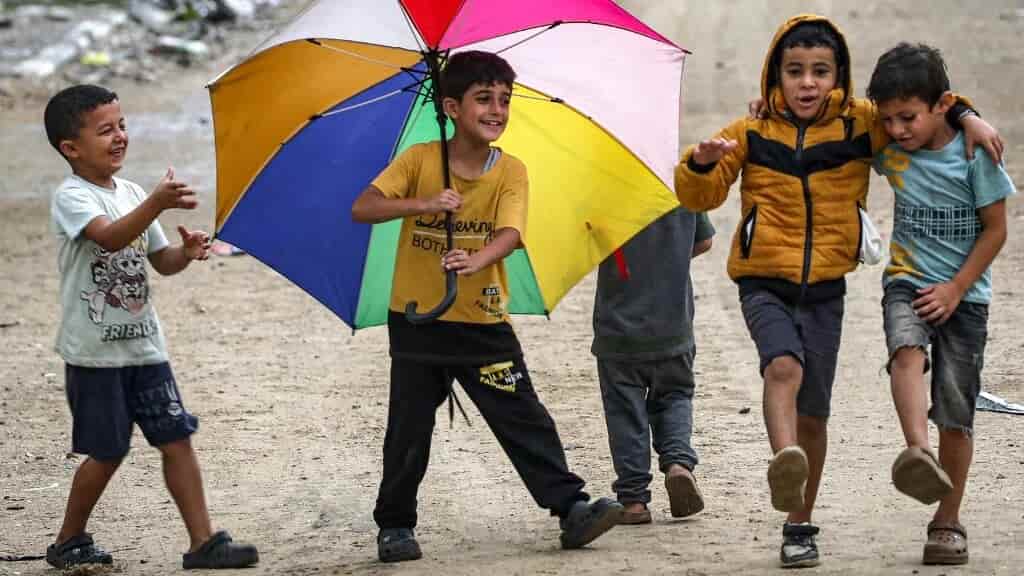
Furthermore, Israeli soldiers have reportedly looted personal items, including bicycles and toys, and attacked playgrounds, which the article interprets as symbolic assertions of control and assaults on childhood and love. Despite this widespread destruction, Palestinians are reportedly finding ways to create art, music, theatre, and preserve heritage, with events like a mass wedding of 300 couples in Deir al-Balah in April cited as examples of resilience.