Key facts
- Gaza has suffered the world's most severe economic crisis on record, according to a UN report.
- Intense military operations have destroyed over 90% of economic establishments in Gaza.
- The UNCTAD report estimates $71.5 billion is needed for Gaza's recovery and reconstruction.
- Gaza's GDP per capita was $212 in 2025, or about $0.58 per day.
- More than 90% of working-age Palestinians in Gaza are unemployed.
- The housing sector suffered the greatest damage, with nearly 90% of homes destroyed or damaged.
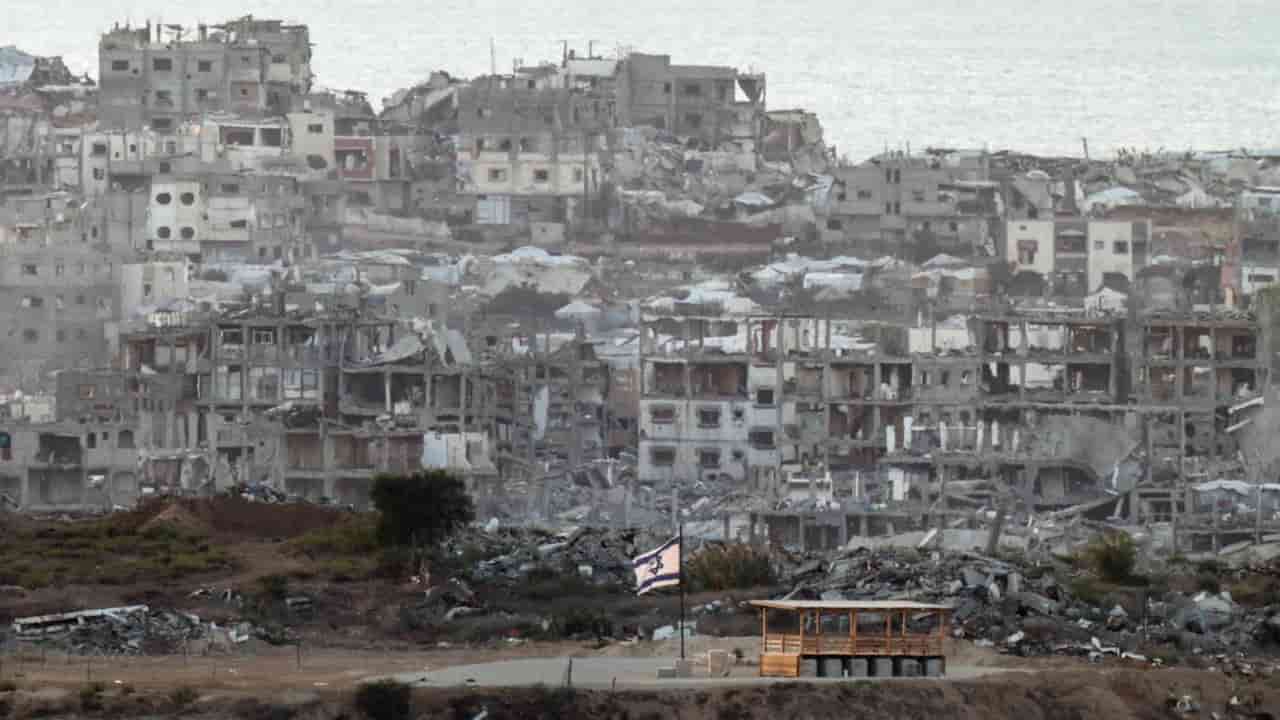
Gaza has experienced the world's most severe economic crisis on record, with over 90% of its economic establishments destroyed by intense military operations, according to a report published Thursday by the UN Conference on Trade and Development (UNCTAD).
The report estimated that $71.5 billion would be needed for recovery and reconstruction, calling for immediate large-scale financial and technical support from the international community once a permanent ceasefire is secured. It stated that a viable Palestinian State cannot be built on a collapsed economy.
Since October 2023, "unprecedented" military operations have brought productive activity in Gaza to a near standstill. The report detailed that 92% of economic establishments were damaged or destroyed over the past three years, leading to Gaza's GDP per capita standing at just $212 in 2025, equivalent to about $0.58 per person per day. More than 90% of working-age Palestinians in Gaza are now unemployed, resulting in "multidimensional poverty."
The housing sector suffered the most significant damage, with nearly 90% of homes destroyed or damaged. The agricultural and health systems have effectively collapsed, and virtually all educational facilities have been damaged or destroyed, with 93% requiring reconstruction.
The report also highlighted the spillover effects into the occupied West Bank, stating that Israeli policies are fragmenting the territory into "disconnected islands" and accelerating settlement expansion. These policies, including increased movement restrictions, home demolitions, and denial of access to water, are preventing the development of an integrated Palestinian economy. Unemployment in the West Bank rose sharply after 2023, from 13.1% in 2022 to 31.4% in 2024, before falling to 28.7% in 2025. The report noted that the destruction of assets and denial of livelihoods foster a coercive environment that forces Palestinians to leave their homeland, gradually transforming the demographic composition of the West Bank.