Key facts
- Israeli President Isaac Herzog pardoned former soldier Elor Azaria on Yom Kippur.
- Azaria was convicted of manslaughter for shooting unarmed Palestinian Abdel Fattah al-Sharif in 2016.
- National Security Minister Itamar Ben Gvir encouraged citizens to carry guns on the holy day.
- B’Tselem reported 1,087 killings of Palestinians in the West Bank and East Jerusalem since October 7.
- Indictments were filed in only 0.9% of complaints against soldiers between 2016 and 2024.
On Yom Kippur, Israel's holiest day of atonement, President Isaac Herzog announced a pardon for Elor Azaria, a former soldier convicted of killing an unarmed Palestinian man in 2016. The pardon, issued at the request of Defense Minister Israel Katz, clears Azaria's criminal record. Azaria shot 21-year-old Abdel Fattah al-Sharif in the head while the Palestinian lay on the ground, an incident captured on camera by a Palestinian photographer working for the human rights organization B’Tselem.
Azaria was arrested and subsequently convicted of manslaughter, receiving an 18-month sentence, of which he served nine months before his release in May 2018. The case sparked a national debate, with right-wing protesters demanding his release. At the time, then-Defense Minister Moshe Ya’alon and then-chief of staff Gadi Eisenkot condemned Azaria's actions.
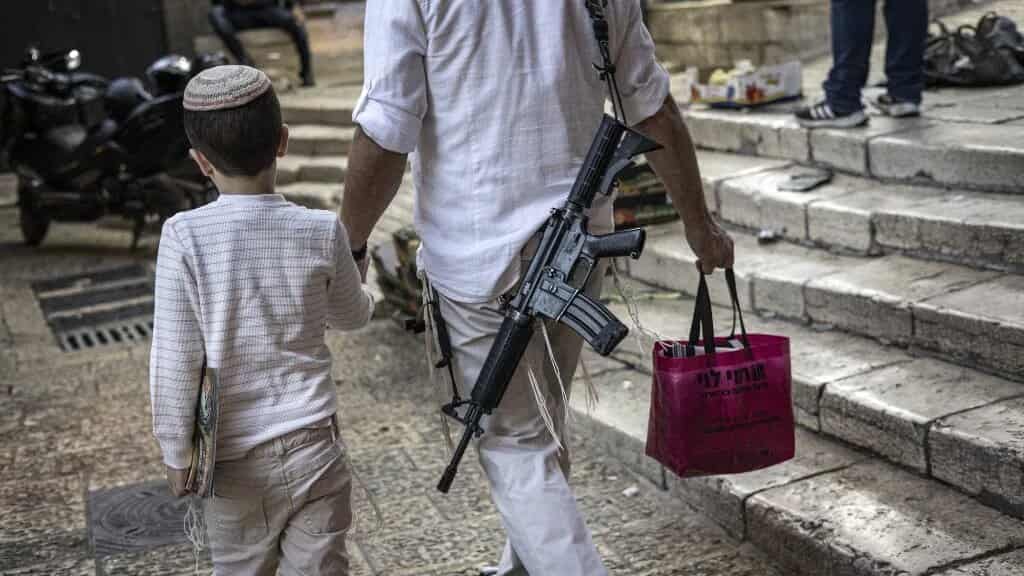
National Security Minister Itamar Ben Gvir, meanwhile, encouraged Israelis to carry their firearms, even to synagogues, on Yom Kippur, a move seen as promoting his policy of arming private citizens. Over 250,000 private firearm licenses have been issued.
B’Tselem reported that since October 7, there have been 1,087 killings of Palestinians in the West Bank and East Jerusalem, including 242 children and 21 women. The organization stated that Israeli soldiers, police, and settlers enjoy near-complete immunity, citing that out of 2,427 complaints filed against soldiers between 2016 and 2024, indictments were opened in only 22.7% of cases and filed in just 0.9%. Azaria expressed gratitude for the pardon, stating, "It is important that no fighter goes through what I went through." Katz welcomed the decision as "right, humane and fitting."