Iran and Oman Form Joint Committee on Hormuz Passage Amid Easing Tensions
IN SHORT
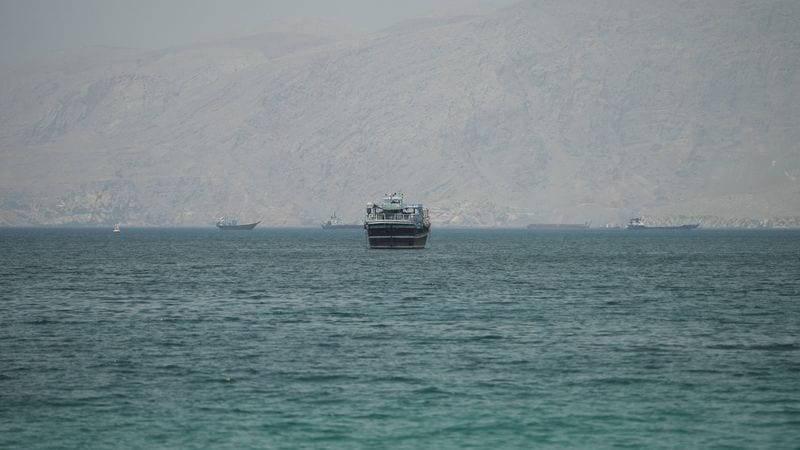
Iran and Oman have established a joint committee to manage issues related to the Strait of Hormuz, signaling progress in US-Iran talks. Iran's Parliament Speaker Mohammad Bagher Ghalibaf stated that the strait's administration will remain with Tehran, diverging from pre-war status.
Key Numbers
30 daystimeframe for traffic return to pre-war levels
60 daysinitial period for toll-free passage
18 Julytarget date for traffic return
Who's Involved
Mohammad Bagher Ghalibaf
Iran's Parliament Speaker and top negotiator
Oman's foreign ministry
stated commitment to toll-free safe passage
Kpler
data provider showing uptick in Iranian crude exports
Persian Gulf Strait Authority (PGSA)
maritime authority set up by Tehran to manage transit
↳ Why This Matters
The joint committee and Iran's assertion of control over the Strait of Hormuz administration could reshape regional maritime security and trade dynamics. This development follows recent US-Iran talks and a sanctions waiver, potentially leading to more stable oil prices and shipping routes.