Key facts
- US Secretary of State Marco Rubio is visiting the UAE, Kuwait, and Bahrain to discuss a preliminary Iran accord.
- Rubio aims to reassure Gulf allies of US commitment to their security and that the Iran deal will not embolden Tehran.
- Gulf nations are divided over the deal, with concerns about funds strengthening Iran's military and potential concessions.
- Iran expects approximately $12 billion in unfrozen and loaned assets from Qatar, plus at least $8 billion from oil export waivers.
- Iran disputes claims about the use of unfrozen assets and the UN nuclear inspectorate's access to damaged nuclear sites.
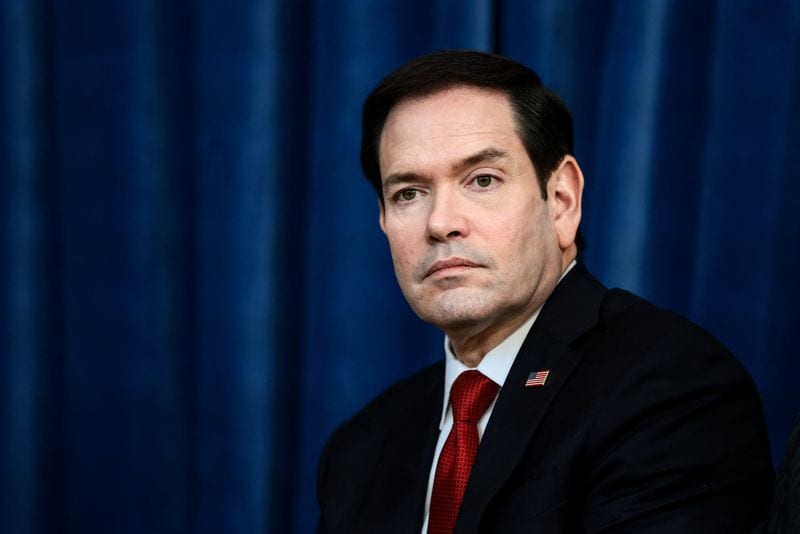
US Secretary of State Marco Rubio is undertaking a diplomatic mission to the United Arab Emirates, Kuwait, and Bahrain to garner regional support for a recent US-Iran ceasefire deal. The visit aims to reassure Gulf allies of continued US security commitments and address their concerns that the agreement may inadvertently strengthen Tehran.
The Gulf region is experiencing division over the deal. While Qatar played a mediating role, nations like the UAE, Kuwait, and Bahrain fear that unfrozen Iranian assets could be channeled into its military. US President Donald Trump stated that any unfrozen assets would remain under US control and be designated for food and medical supplies, while also claiming Iran agreed to future nuclear inspections.
Rubio's trip follows the war initiated by the US and Israel on February 28. The UAE, Kuwait, and Bahrain, which host significant US military bases, have previously been targeted by Iranian missiles. Iran has expressed its intent to document and seek reparations for what it deems harmful US military presence in the region.
Internally, Iran is considering rapprochement with regional powers, potentially forming alliances with Turkey, Saudi Arabia, Pakistan, and Egypt. The UAE, with close economic ties to Iran, also appears to be seeking de-escalation. In the short term, Iran anticipates approximately $6 billion in unfrozen assets from Qatar, with an additional $6 billion loan from Doha. Furthermore, a US Treasury sanctions waiver on Iranian oil exports is expected to generate at least $8 billion over two months, potentially reaching over $30 billion annually from sales, primarily to China.
Maritime traffic through the Strait of Hormuz has seen a recent increase. Iran's chief negotiator is collaborating with Oman on a long-term agreement for managing the strait. Disagreements persist between Tehran and Washington regarding the use of unfrozen Iranian assets, with Iran asserting that purchase decisions will be based on quality and price, not solely on US goods. Iran also disputes claims about granting access to the UN nuclear inspectorate for damaged nuclear facilities.