Key facts
- Iran committed to ensuring free transit through the Strait of Hormuz.
- Iran agreed to permit International Atomic Energy Agency (IAEA) inspectors to return.
- The U.S. Treasury Department issued a temporary 60-day general license for Iranian oil sales.
- An agreement was reached for the U.S. to release $12 billion in frozen Iranian funds.
- Pakistan and Qatar acted as mediators in the Switzerland talks.
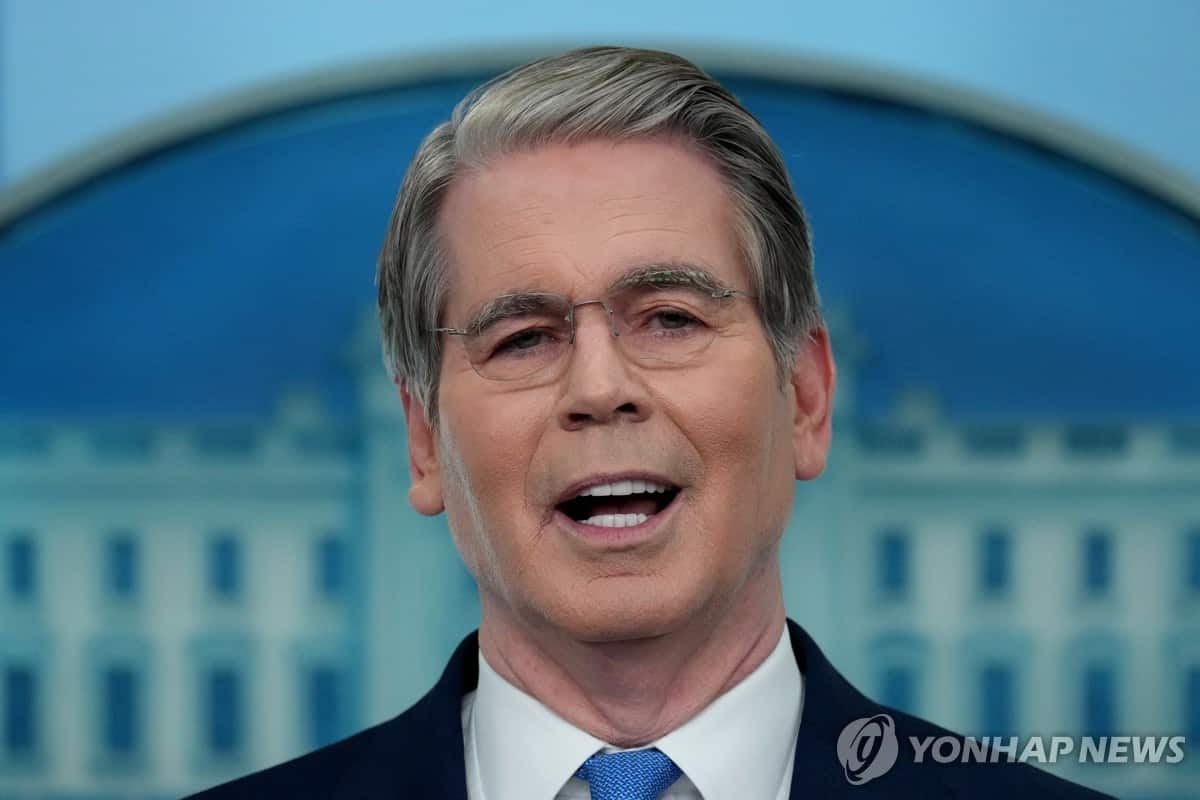
Iran has committed to ensuring "free and open" transit through the crucial Strait of Hormuz and permitting International Atomic Energy Agency (IAEA) inspectors back into the country, according to U.S. Treasury Secretary Scott Bessent. These commitments follow high-level talks in Switzerland, mediated by Pakistan and Qatar, which also resulted in an agreement for the U.S. to release $12 billion in frozen Iranian funds.
The U.S. Treasury Department's Office of Foreign Assets Control (OFAC) issued a temporary 60-day general license authorizing the production, delivery, and sale of Iranian oil products through August 21, 2026. Iran's Foreign Minister Seyed Abbas Araghchi noted that oil and petrochemical exports are waived, blockades lifted, some frozen assets released, and a major reconstruction and development plan launched for Iran.
Iran's President Masoud Pezeshkian cautioned that the effectiveness of the talks depends on full commitment to agreed obligations and their precise implementation, stating that statements outside the agreed text do not help advance negotiations. This comes after U.S. President Donald Trump made claims about Iran agreeing to international inspections at its nuclear facilities and using released funds for U.S. agricultural products.
Oil prices saw a drop in Asian trade as reports of progress in the U.S.-Iran negotiations emerged. The Strait of Hormuz is a vital shipping route, and its free transit is critical for global trade.