Key facts
- The US has temporarily suspended sanctions on Iran for 60 days, until August 21.
- The sanctions suspension allows Iran to resume oil and petrochemical exports.
- Iran committed to ensuring free transit in the Strait of Hormuz and allowing IAEA inspectors.
- Mediators Pakistan and Qatar facilitated the talks in Switzerland.
- Tanker traffic has resumed through the Strait of Hormuz.
- Commercial confidence in the route's safety remains fragile.
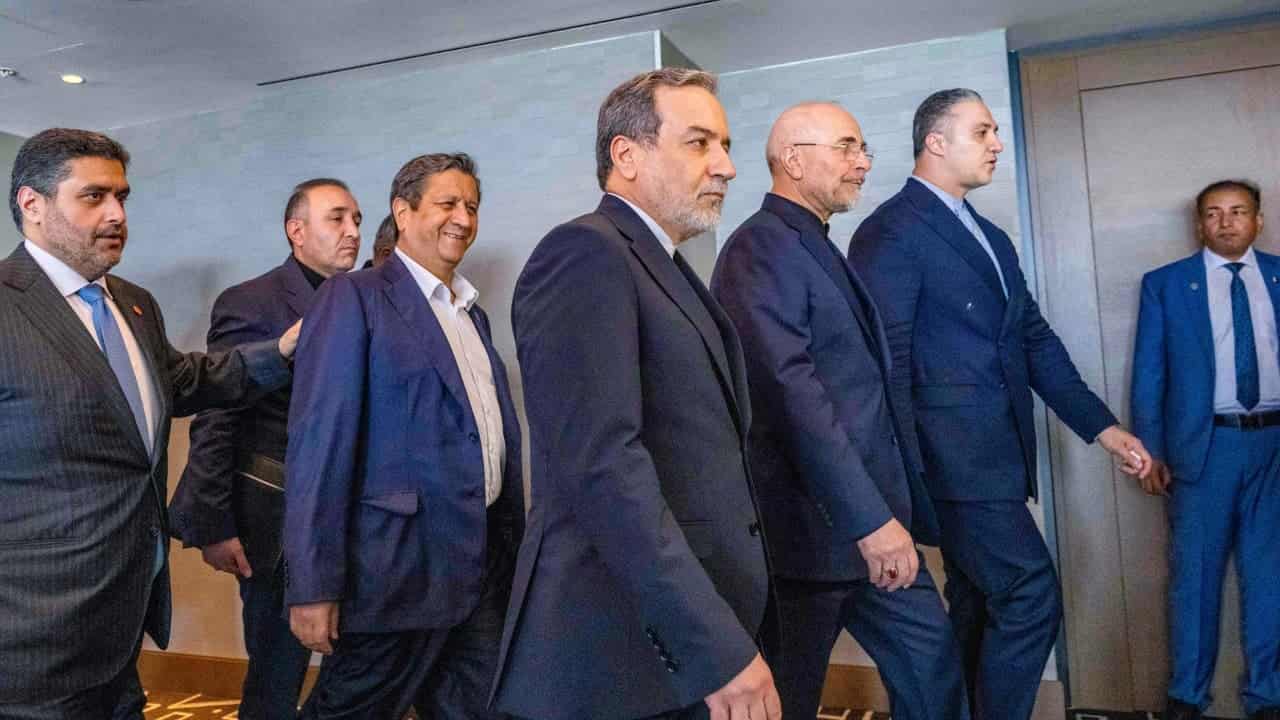
The United States has temporarily suspended sanctions on Iran for 60 days, allowing for the resumption of oil and petrochemical exports, following talks in Switzerland that established a 60-day roadmap for a peace deal. US Treasury Secretary Scott Bessent announced the waiver, set to expire on August 21, which permits Iranian oil and petrochemical exports. Iran has committed to ensuring free transit in the Strait of Hormuz and allowing International Atomic Energy Agency (IAEA) inspectors into the country.
However, Iran's government has cast doubt on the extent of new commitments regarding nuclear inspections, with foreign ministry spokesperson Esmail Baghaei stating that any engagement with the IAEA would occur under existing procedures. US President Donald Trump commented that Iran would agree to major weapons inspections for 'Nuclear Honesty.'
Pakistan and Qatar mediated the talks, which concluded the first High-Level Committee Meeting under the Islamabad Memorandum of Understanding. US Secretary of State Marco Rubio is scheduled to attend the Gulf Cooperation Summit, with sideline meetings planned in Bahrain, the UAE, and Kuwait.
Tanker traffic has resumed through the Strait of Hormuz following the US-Iran memorandum and the lifting of the US naval blockade. However, commercial confidence remains fragile as insurers and shipowners assess the security situation. Lebanon is considered the biggest risk to the agreement, with Israeli forces remaining in southern Lebanon and clashes continuing despite ceasefire commitments.