Key facts
- Iranian President Masoud Pezeshkian called for an end to the ongoing war, advocating for a settlement from a position of strength and dignity.
- He described a recent agreement as a major achievement, emphasizing that Iran made no concessions and would resist bullying.
- Iran's Foreign Ministry accused the U.S. of 'economic terrorism' and 'crimes against humanity' due to sanctions.
- The U.S. Treasury Secretary vowed to intensify economic pressure on Iran.
- China criticized U.S. sanctions and called for a political and diplomatic resolution to the conflict.
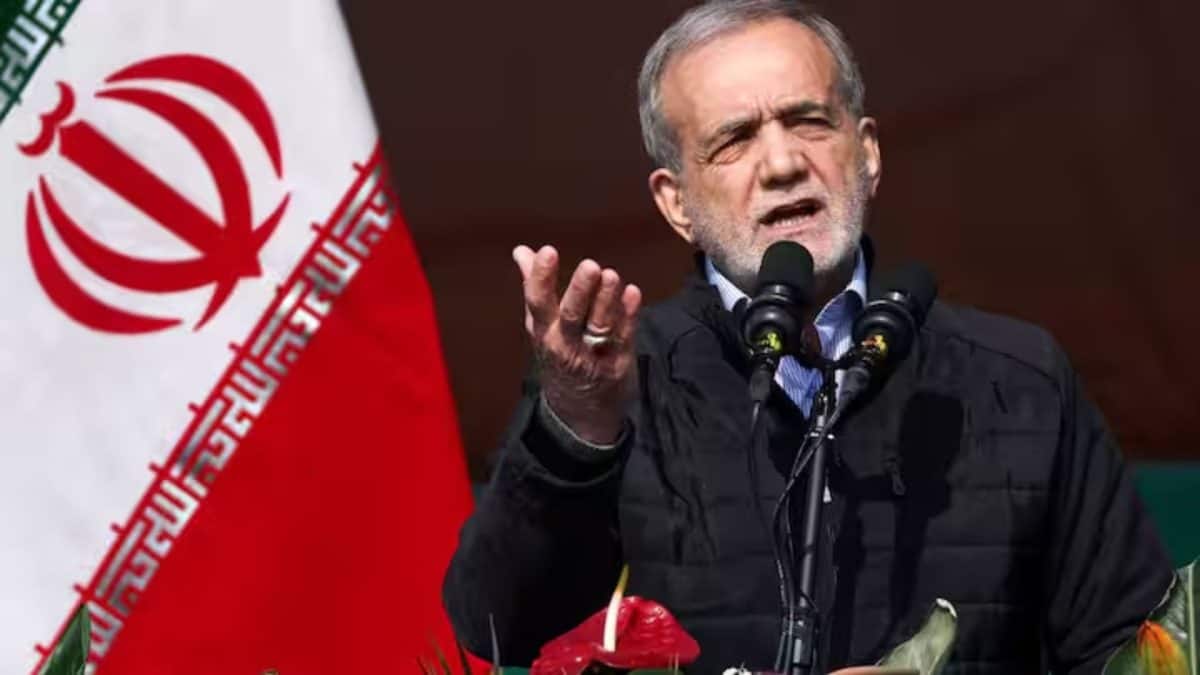
Iranian President Masoud Pezeshkian has called for an end to the ongoing war, stating that Tehran should seek a settlement while it remains in a position of "strength and dignity." Speaking at a meeting with doctors, Pezeshkian described the negotiated outcome as a "major achievement" that was unanimously approved by Iran’s Supreme National Security Council. He asserted that the agreement contained no clauses indicating surrender and that all commitments were on the other side. Pezeshkian emphasized that Iran would not bow to bullying and would deliver a crushing response to any renewed attack, suggesting that ending the war now was preferable to allowing it to drag on and potentially undermine Iran’s position.
These remarks come amid heightened tensions and reciprocal accusations between Iran and the United States. Iran’s Foreign Ministry accused Washington of pursuing "economic terrorism" and committing "crimes against humanity" through its sanctions campaign, demanding that those responsible face trial. This statement followed the U.S. Treasury Secretary's vow to intensify economic pressure on Tehran, aiming to "collapse" the Iranian regime. The U.S. has also urged other countries, including China, to support efforts to isolate Iran economically.
China, however, has criticized the U.S. approach, with a Foreign Ministry spokesperson stating that sanctions and pressure would not resolve the conflict and calling on all sides to pursue a political and diplomatic solution. The conflict, which began with U.S. and Israeli strikes on Iran in February, has seen talks remain stalled despite a memorandum of understanding signed in June under Pakistani and Qatari mediation. Iran has accused Washington of violating this MoU, while Pakistan and Qatar continue their mediation efforts.
