Key facts
- The ICJ found by a 9-6 majority that Myanmar committed genocide against the Rohingya.
- The court found Myanmar's military directly responsible for genocide, with intent to destroy a substantial part of the group.
- The ICJ said genocidal intent was the only reasonable inference from the totality of the evidence.
- The court found Myanmar's security forces killed thousands of Rohingya and committed widespread sexual violence.
- The ICJ said the ruling is binding but hard to enforce.
- The court found Myanmar destroyed evidence, according to BBC News.
The International Court of Justice ruled on November 19, 2026 that Myanmar committed genocide against the Rohingya, the first time an international court has found a state guilty of genocide since the Nazi Holocaust, according to Reuters. The panel of judges in The Hague found by a 9-6 majority that Myanmar's military intended to destroy a substantial part of the group.
The court found that Myanmar's security forces killed thousands of Rohingya and committed widespread sexual violence, and it said genocidal intent was the only reasonable inference from the totality of the evidence. It found the military directly responsible for genocide against the Rohingya, a Muslim minority targeted in a counterinsurgency campaign that reached its peak in 2017, The Guardian reported.
In assessing the campaign, the ICJ looked at the death toll of about 10,000 and at the total Rohingya population targeted in northern Rakhine state, 815,000 people, The Guardian reported. It also considered mental damage to survivors, particularly victims of sexual violence, and the impact on reproduction in the Rohingya community. The court said up to 2,109 Rohingya children under the age of five had been killed.
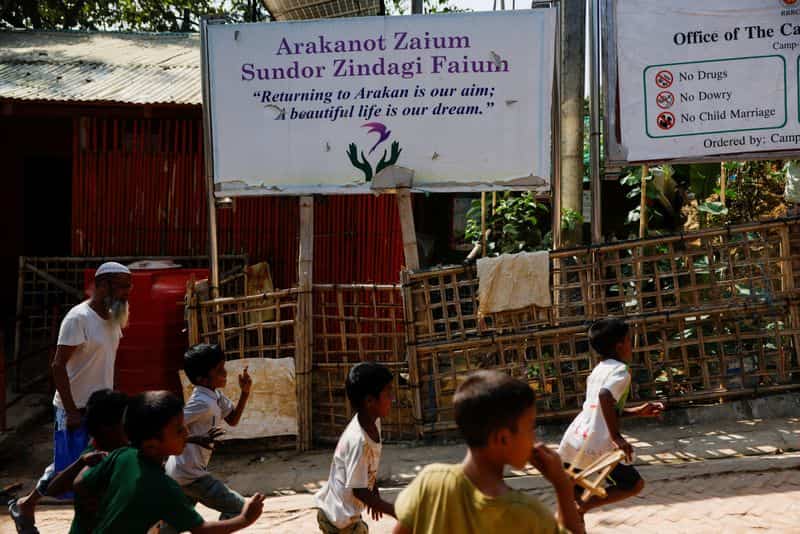
Reuters reported that 1.3 million Rohingya are displaced, 1.2 million of them in Cox's Bazar in Bangladesh. The ICJ said its judgments are binding but hard to enforce.
Amnesty International's secretary general, Agnès Callamard, called the ruling "a rare moment of justice for survivors, victims and their families", The Guardian reported. Rohingya activist Yasmin Ullah, Sheikh Hasina and Human Rights Watch's Vignoli also reacted to the ruling, according to Reuters. In Cox's Bazar, Rohingya widow Rahama Khatun reacted to the ruling, Reuters reported.