Key facts
- Takaichi said there has been absolutely no change to Japan's position under the 1972 Japan-China Joint Communique.
- China has demanded Takaichi retract what it called her egregious remarks from November 2025.
- China has restricted exports of critical minerals, banned Japanese seafood imports and urged citizens not to travel to Japan.
- Chief Cabinet Secretary Minoru Kihara rejected the idea that Takaichi received a diplomatic snub at the summit.
- Takaichi's only bilateral meeting at APEC was a 30-minute exchange with Russian President Vladimir Putin.
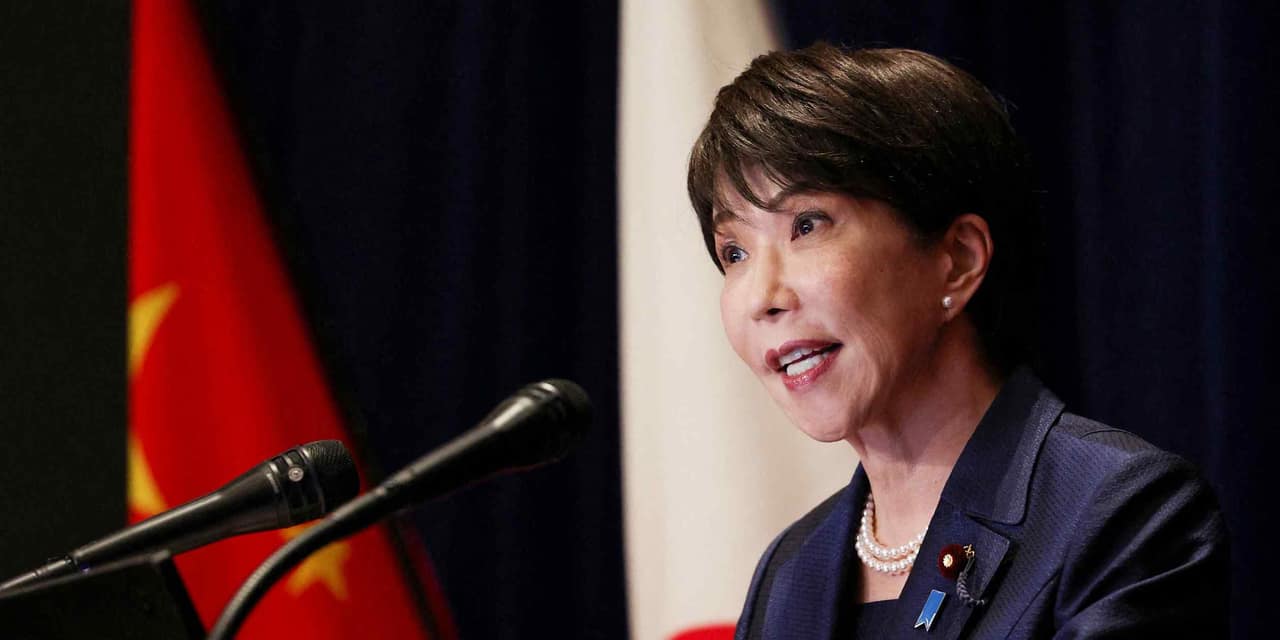
Japanese Prime Minister Sanae Takaichi said on November 19 that Japan's position on Taiwan had not changed since 1972, speaking at a press conference at the Asia-Pacific Economic Cooperation summit in Shenzhen, China. She said there had been no change to Japan's position under the 1972 Japan-China Joint Communique, which established diplomatic relations between the two countries.
The remarks come as relations between China and Japan remain strained since Takaichi's Taiwan-related comments in November 2025, when she said a hypothetical Chinese attack on Taiwan could trigger a military response from Tokyo. China has demanded she retract what it called her egregious remarks, restricted exports of critical minerals, banned imports of Japanese seafood and urged its citizens not to travel to Japan.
Takaichi arrived on Wednesday for her first visit to China since the dispute began. She received a handshake from a Chinese foreign ministry official on arrival, while other leaders including US President Donald Trump and Australian Prime Minister Anthony Albanese were greeted with music, bouquets and dancers, Reuters reported. At the leaders' photo shoot she stood near one end of the back row, and in the meeting room she sat seven seats from Xi.
Xi and Takaichi shook hands at Wednesday's welcome dinner and again on Thursday but held no one-on-one talks. Asked about her reception, Japanese Chief Cabinet Secretary Minoru Kihara said the host economy extended the customary courtesies to her as it did to other leaders. Japan's Jiji news agency described a cold shoulder, and Kyodo said the young people who waved red bouquets for other leaders were not present when Takaichi's plane landed.