Key facts
- Takaichi and Xi shook hands and posed for greeting photos at an APEC welcome dinner in Shenzhen on Wednesday.
- Takaichi's arrival is the first China visit by a Japanese leader in seven years.
- Beijing retaliated to Takaichi's Taiwan remarks with trade restrictions and a travel warning.
- Analysts cited by AFP said a formal Xi-Takaichi meeting is highly unlikely without a signal akin to an apology.
- Kyodo News, citing Chinese sources, reported Takaichi is forecast to be the only major-economy leader without a sit-down with Xi.
- Beijing in September asked for correction rather than retraction of Takaichi's Taiwan remark, AFP reported.
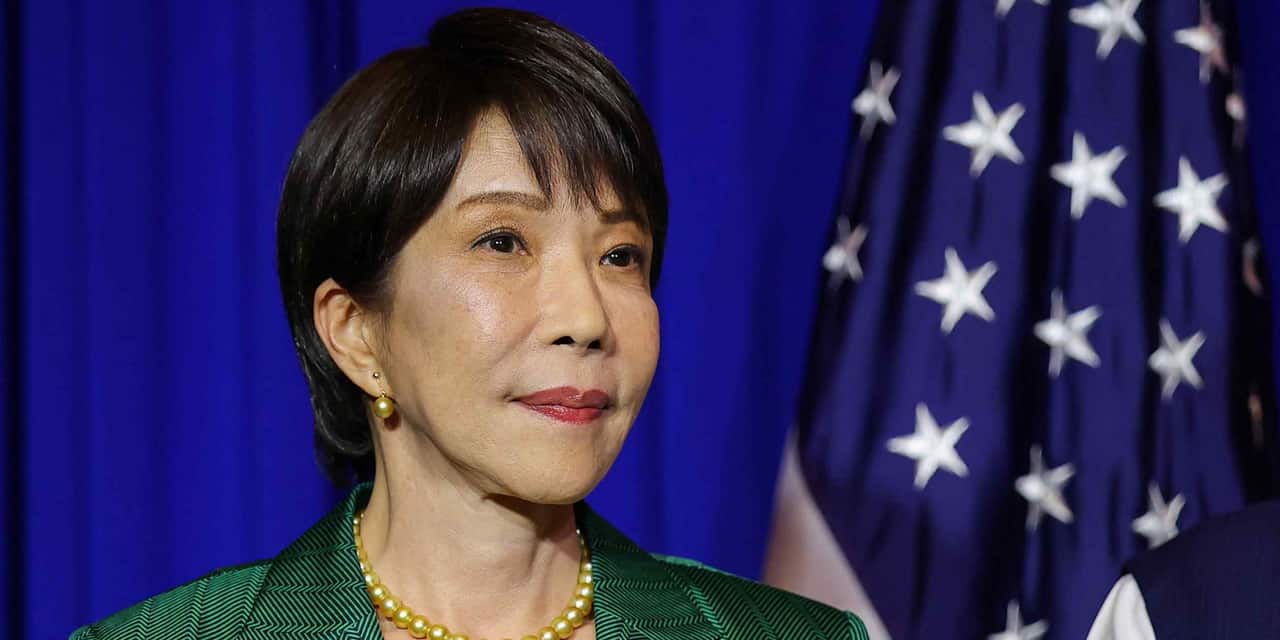
Japanese Prime Minister Sanae Takaichi and Chinese President Xi Jinping had their first in-person interaction in Shenzhen since last autumn, when ties froze over her remarks on Taiwan, according to a live feed of an APEC welcome dinner. Takaichi shook hands with Xi and his wife, Peng Liyuan, as they posed for greeting photos ahead of the customary APEC family photo on Wednesday evening.
Takaichi arrived in Shenzhen on Wednesday for the Asia-Pacific Economic Cooperation summit, her first visit to China since taking office in October 2025, Nikkei Asia reported. The arrival, the first China visit by a Japanese leader in seven years, was met by retired Chinese diplomat Zhang Qiyue and Japanese ambassador to China Kenji Kanasugi, the South China Morning Post reported.
The trip comes with bilateral ties at a low over Takaichi's remarks on Taiwan. She suggested last year that Tokyo could intervene militarily if Beijing sought to take Taiwan by force. China, which views the island as part of its territory, retaliated with trade restrictions and warned its citizens not to travel to Japan, AFP reported.
Analysts cited by AFP said Takaichi will likely be denied a formal one-on-one meeting with Xi. Kyodo News, citing Chinese sources, reported she is forecast to become the only leader of a major economy without a sit-down with Xi. Bonnie Glaser, managing director of the Indo-Pacific program at the German Marshall Fund, told AFP that talks are "highly unlikely unless the Japanese side signals that Prime Minister Takaichi is willing to say something akin to an apology."
Signs of detente have emerged. Beijing accepted visits by individual Japanese lawmakers, and when Wang Yi met former foreign minister Takeshi Iwaya in September, Beijing issued a statement demanding the "correction" of Takaichi's Taiwan comment, a watering-down from earlier calls for "retraction," AFP reported. Akio Takahara, a visiting professor at Tokyo Woman's Christian University, told AFP that Beijing is realizing its stance is hurting China's economy as more Japanese firms retreat.