Key facts
- The ICJ ruling would be its first substantive judgment in more than a decade on alleged violations of the 1948 Genocide Convention.
- Gambia argues Myanmar bears state responsibility for genocide; Myanmar denies genocide and says its forces ran a legitimate counter-insurgency operation.
- About 1.2 million Rohingya refugees live in Cox's Bazar, which the report describes as the world's largest refugee settlement.
- Gambia has asked the court to order Myanmar to pay reparations and ensure the safe return of Rohingya refugees.
- Myanmar's military-backed government did not respond to requests for comment, Reuters reported.
The International Court of Justice is set to rule on Thursday on whether Myanmar's 2017 military campaign against the Rohingya amounted to genocide, Reuters reported on November 17, 2026. The judgment would be the court's first substantive ruling in more than a decade on alleged violations of the 1948 Genocide Convention.
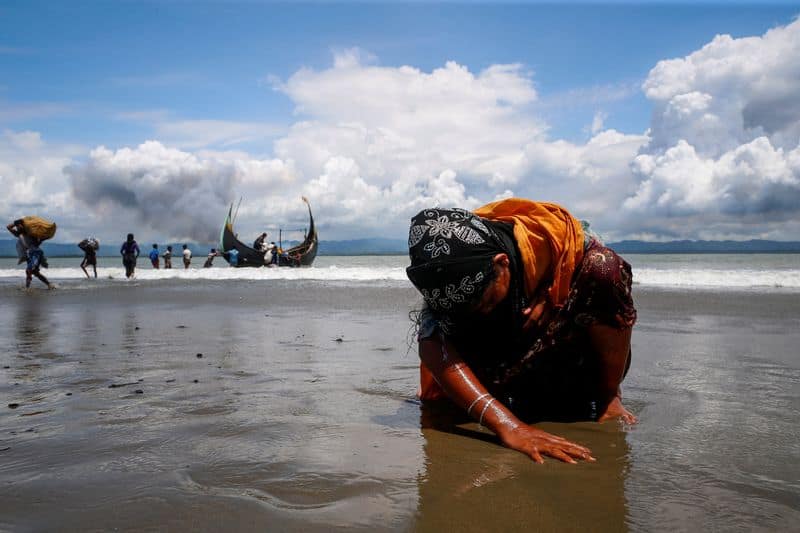
Gambia brought the case in 2019, arguing that Myanmar bears state responsibility for genocide after an offensive drove at least 730,000 Muslim Rohingya from Buddhist-majority Myanmar into neighboring Bangladesh. Refugees recounted killings, mass rape and the burning of villages, and a UN fact-finding mission concluded the campaign included genocidal acts. Myanmar denies genocide and says its forces were carrying out a legitimate counter-insurgency operation. Its military-backed government did not respond to requests for comment.
Hasina Khatun, 34, a Rohingya refugee in Cox's Bazar, said the military took her husband and other men from their village during the Inn Din massacre. "We have been waiting for a long time for the verdict," she said. "We hope it will bring us justice and pave the way for our return home." About 1.2 million Rohingya refugees live in Cox's Bazar, according to the report.
Legal scholars will examine the ruling for guidance that could extend to South Africa's 2023 case accusing Israel of genocide in Gaza, an allegation Israel rejects. Melanie O'Brien, a professor of international law at the University of Western Australia, said the Myanmar case echoes the Israel proceedings, particularly over arguments that military operations were legitimate responses to attacks by armed groups. Priya Pillai, an international lawyer who heads the Asia Justice Coalition, said the case will affect other genocide cases.