Key facts
- Drone attacks in recent weeks targeted the Zaporizhzhia Thermal Power Plant, impacting power supply to the Zaporizhzhia Nuclear Power Plant.
- The IAEA reported attacks on Sept. 19, 20, and 27, damaging vital transformers.
- IAEA Director General Rafael Grossi is negotiating a localized ceasefire to enable repairs.
- An attack on Sept. 22 disabled an off-site radiation monitoring station.
- Attacks in Enerhodar reportedly killed one person.
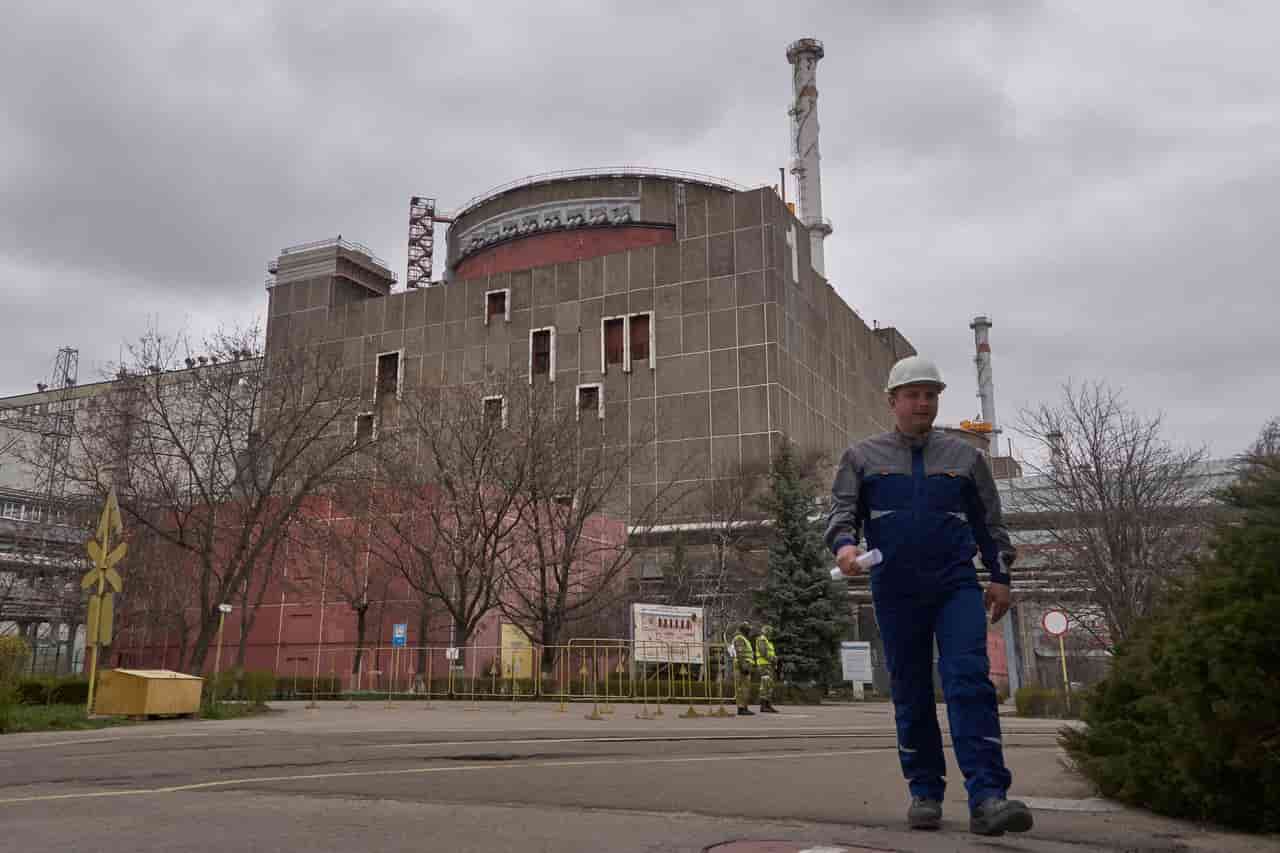
The Zaporizhzhia Thermal Power Plant (ZTPP), which provides electricity to the Russian-occupied Zaporizhzhia Nuclear Power Plant (ZNPP), was targeted in a series of drone attacks on September 19, 20, and 27, the International Atomic Energy Agency (IAEA) said on October 3. The strikes damaged transformers essential for the ZNPP's off-site power supply.
IAEA Director General Rafael Grossi is currently negotiating a localized ceasefire between Ukraine and Russia to allow for repairs at the ZTPP. This would be the eighth such ceasefire brokered by the IAEA aimed at securing the ZNPP's power. The facility has experienced multiple external power outages since Russia's full-scale invasion began.
An attack on September 22 reportedly disabled an off-site radiation monitoring station, diminishing the ZNPP's capacity to track nearby radiation levels. Additionally, other attacks struck buildings in Enerhodar, a city where many ZNPP staff reside, reportedly resulting in one fatality.
The Zaporizhzhia Nuclear Power Plant is Europe's largest nuclear facility. Ukraine has consistently warned that Russia's occupation of the plant poses a significant global nuclear safety threat. The IAEA had previously warned in May 2026 that increased drone activity near the ZNPP heightened the risk of a nuclear accident. In August, the agency reported a drone explosion at a staff bus stop that killed one person and injured 15 others.