Key facts
- UFCW president Milton Jones said lawmakers should ban surveillance pricing and electronic shelf labels in grocery stores
- The union said the measures would address affordability concerns and preserve grocery jobs
- The FTC said it ordered several of the largest grocery chains to prepare detailed reports on pricing practices
- FTC Chairman Andrew N. Ferguson said consumers deserve to know whether companies use personal data to estimate prices
- Walmart and Target said they do not use personal information to charge shoppers a higher price, and will not in the future
- Retailers said the tools simplify a labor-intensive process and improve accuracy, and that pricing remains fair and transparent
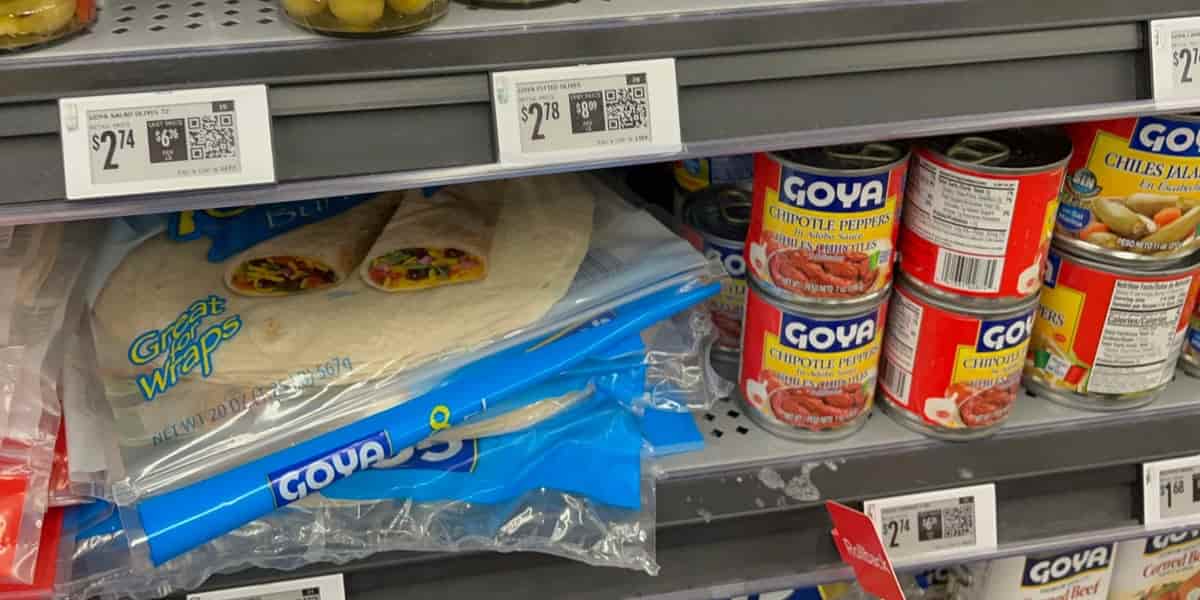
The United Food and Commercial Workers union, which represents more than 1.2 million people, issued a statement on November 4, 2026 calling on lawmakers to ban electronic shelf labels and personalized pricing in grocery stores. The union said the measures would address affordability concerns and preserve grocery jobs, after labor-backed candidates won races across the US in the midterm elections.
"Lawmakers should ban surveillance pricing and electronic shelf labels in grocery stores, so that shoppers are safe from corporate price gouging," UFCW president Milton Jones said in the statement.
The technology has drawn scrutiny as retailers including Walmart and Kroger replace printed price tags with digital versions that can be updated remotely. The Federal Trade Commission said it ordered several of the largest grocery chains to prepare detailed reports on their pricing practices. "Consumers deserve to know whether companies use their web surfing habits or other personal data to estimate the highest price they can charge each consumer," FTC Chairman Andrew N. Ferguson said.
Some states have acted. New Jersey banned surveillance pricing and put a one-year moratorium on electronic labels earlier in 2026, and Maryland requires retailers to lock in prices for at least one business day.
Retailers have defended the tools, saying they simplify a labor-intensive process and improve accuracy, and that their pricing has been and will remain fair and transparent. Walmart and Target each issued statements in October 2026 saying they do not use personal information to charge shoppers a higher price and will not in the future. Both chains still offer personalized discounts through promotions and membership programs.