Key facts
- Workers demand a minimum monthly wage of 30,000 taka ($245), up from 12,500 taka.
- Police fired tear gas and sound grenades after protesters threw bricks and stones in Ashulia, superintendent Mohammad Mominul Islam Bhuiyan said.
- Several factories in Gazipur and Ashulia suspended operations or declared holidays after nearly 700 factories shut a day earlier.
- The garment industry employs about 4 million workers and accounts for more than 80% of Bangladesh's export earnings.
- Industry officials warn prolonged closures could delay shipments and damage Bangladesh's reputation as a sourcing hub.
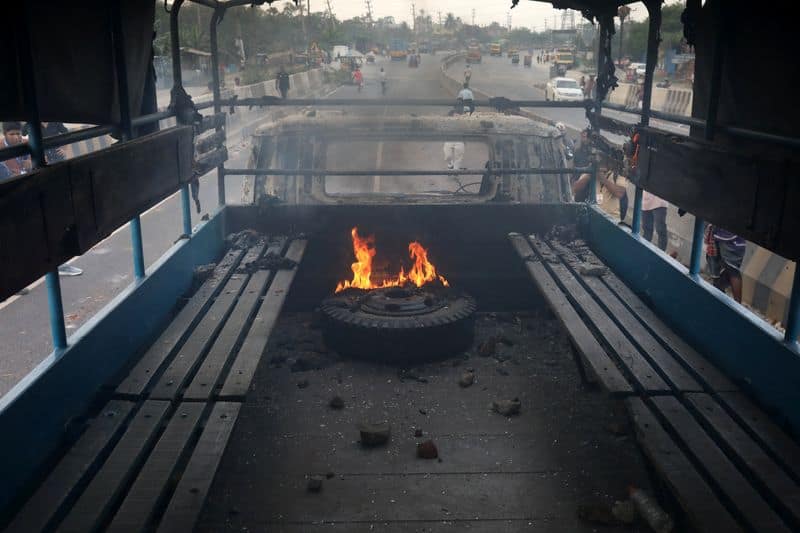
Garment workers in Bangladesh staged a fourth day of wage protests on Tuesday, November 3, with police firing tear gas to disperse demonstrators as unrest disrupted factory operations and transport links in the country's main export sector. The unrest began on Saturday, October 31, and has continued despite the government forming a six-member wage board on November 1 to review pay in the sector, the world's second-largest apparel exporter after China.
Clashes were reported across industrial belts around Dhaka, including Ashulia, Gazipur and the capital's Mirpur area, as workers staged fresh demonstrations and attempted to block major highways. Dozens of people, including several police officers, were injured. In Ashulia, police fired tear gas and sound grenades after protesters threw bricks and stones at law enforcement personnel, said Mohammad Mominul Islam Bhuiyan, superintendent of Ashulia Industrial Police. Similar crowd-control measures were used in Dhaka's Mirpur area, police said. Additional security forces were deployed, and several factories in Gazipur and Ashulia again suspended operations or declared holidays after nearly 700 factories shut a day earlier. Several factories were also vandalised.
Workers are demanding a minimum monthly wage of 30,000 taka ($245), up from the current 12,500 taka, arguing that rising living costs and persistent inflation have eroded their purchasing power. The industry employs about 4 million workers, supplies global brands such as H&M, Zara and Gap, and accounts for more than 80% of the country's export earnings.
Industry officials warn prolonged closures could delay shipments and damage Bangladesh's reputation as a reliable sourcing hub as it competes with rivals such as Vietnam and India for global apparel orders. Factory owners said they are contending with rising operating costs, uncertainty in energy markets linked to conflict in the Middle East, and softer demand in key export markets. They warn that prolonged unrest could disrupt production schedules and jeopardise export orders.