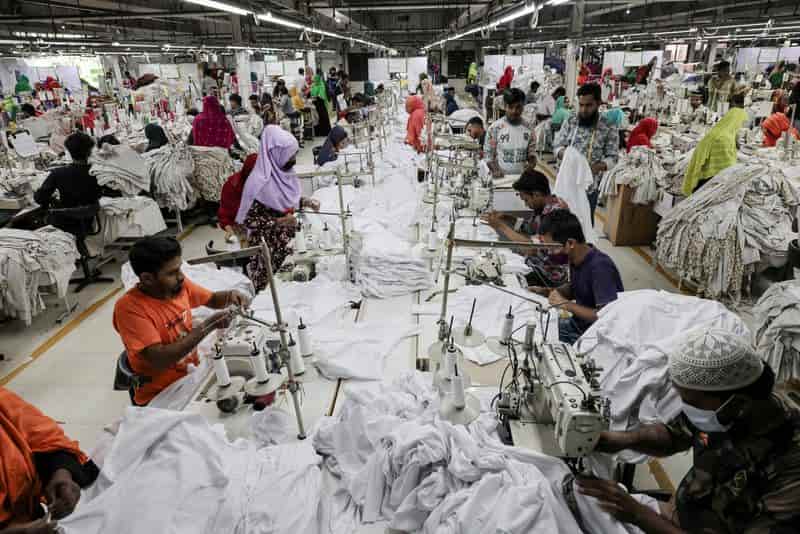
Key facts
- Workers demand a minimum monthly wage of 30,000 taka, more than double the current 12,500 taka.
- The garment industry employs about 4 million workers and generates over 80% of Bangladesh's export earnings.
- Protests led to clashes with police and the closure of about 30 factories in Ashulia.
DHAKA, Nov 1 (Reuters) - Bangladesh will establish a wage board on Sunday to review garment workers' pay after protests shut dozens of factories and triggered clashes with police. Workers are demanding a minimum monthly wage of 30,000 taka ($245), more than double the current 12,500 taka, citing rising costs of food, housing, transport and healthcare. The dispute has raised concerns about disruption to the industry, which employs about 4 million workers and generates more than 80% of Bangladesh's export earnings. Labour and Employment Minister Ariful Haque Chowdhury said the government would formally constitute the wage board after discussions with labour leaders and industry representatives. Hundreds of workers blocked a major intersection in the capital, while demonstrations in other industrial zones disrupted traffic and factory operations. Clashes between workers and police in Ashulia injured several people, including police officers.