Key facts
- The interior ministry put nationwide turnout at 146,000, including 46,000 in Paris; unions said 250,000 nationwide and 75,000 in the capital.
- Some 70,000 members of the security forces were deployed on Saturday, November 7, 2026, the report said.
- Police said a group of 200 violent individuals attacked officers during an arrest in Paris.
- Authorities banned a Yellow Vests demonstration at Place de la Concorde and police surrounded about 100 people who arrived.
- Police fired tear gas to disperse several hundred people at an unauthorized gathering in Lyon.
- The demonstrations come five months before presidential elections, the report said.
About 146,000 people took part in demonstrations across France on Saturday, November 7, 2026, including 46,000 in Paris, the interior ministry said. Unions put the figure at 250,000 nationwide, with 75,000 in the capital. Both counts were lower than in the previous three weekends of protests.
The marches were the fourth consecutive weekend of demonstrations against the rising cost of living, held five months before presidential elections in which the far right sees its best chance yet to win power, the report said. Some 70,000 members of the security forces were deployed.
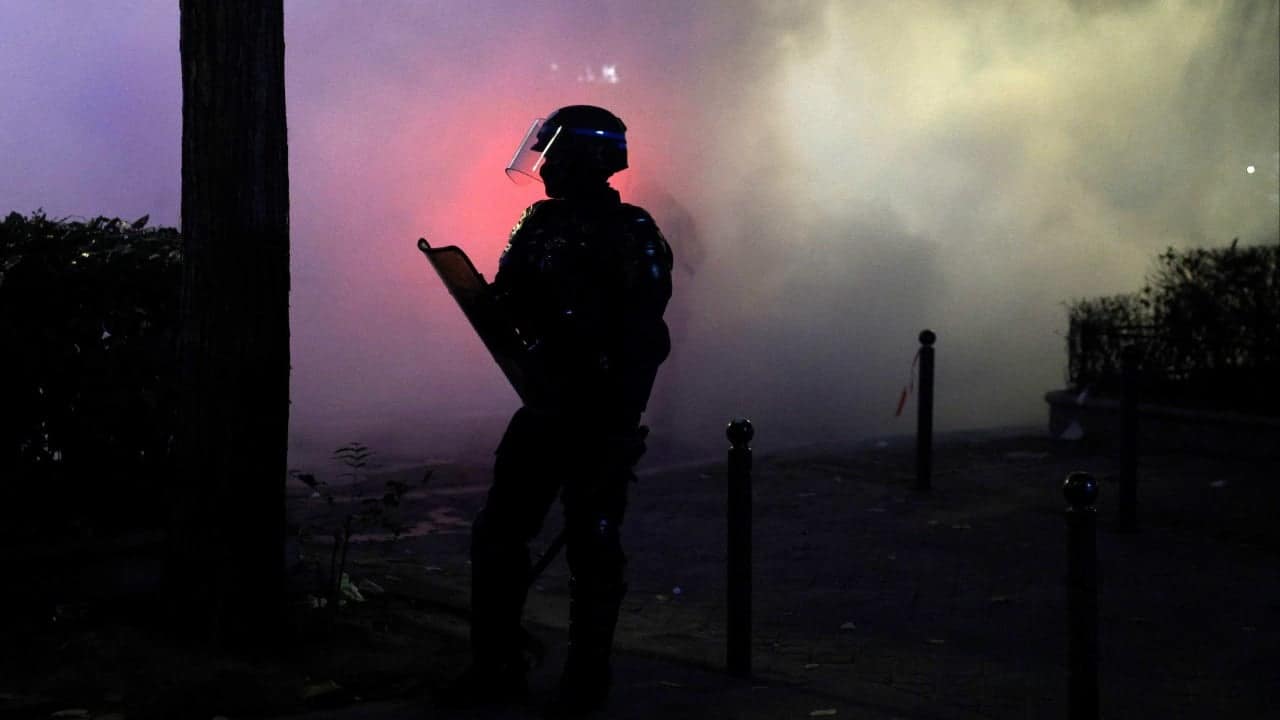
At the end of the Paris march, which ran from Place de la Republique to Place de la Nation, police used tear gas against people throwing projectiles and homemade fireworks at officers, an AFP correspondent said. Police said a group of 200 violent individuals attacked officers as they arrested a man who had set fire to a trash bin in the square.
Authorities banned a rival Yellow Vests demonstration at Place de la Concorde, near the Elysee Palace and the lower house of parliament, and a large police presence kept protesters away. About 100 people who arrived were surrounded by police, and coordinator Benjamin Ball and spokeswoman Azelma Sigaux were among those arrested, an AFP reporter said. In Lyon, police fired tear gas to disperse several hundred people blocking a road during an unauthorized gathering.
The wave of demonstrations began in late September when high school students protested conditions at their schools, and students remain at the heart of the protests. "Today is a date that helps keep the pressure on," Student Union spokeswoman Sabine Kharbach said, adding that many young people were mobilizing because the government's responses remained unsatisfactory. The police response has drawn criticism as heavy-handed, with dozens of internal investigations opened into allegations of brutality against demonstrators, the report said.