Key facts
- France launched the network during a G7 foreign ministers meeting in Paris on November 9 to 10.
- The network covers 14 ports and includes G7 countries, Brazil, South Korea and international organizations.
- Interpol, the UN Office on Drugs and Crime, the International Maritime Organization and the World Customs Organization are involved.
- France's foreign minister, Jean-Noel Barrot, said the network would bolster efforts by the Ministry of the Interior and other ministries.
- A French government document said France had concluded more than 20 bilateral narcotics cooperation agreements since late 2025.
- France said cooperation with North African and Middle Eastern countries led to more than 20 extraditions in 2025.
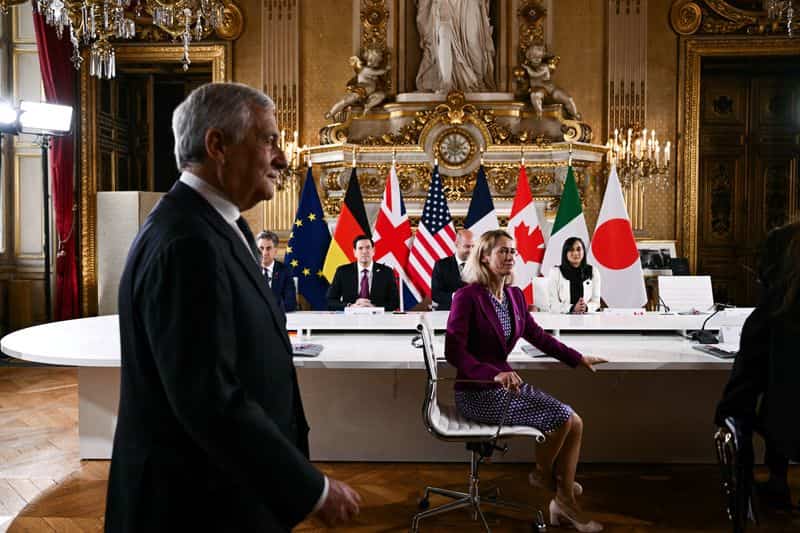
France said on November 9, 2026 that it had launched a G7-backed network linking major ports, customs services and international organizations to improve intelligence sharing and coordination against global drug trafficking routes. The initiative was formally launched during a meeting of foreign ministers from the Group of Seven (Britain, Canada, France, Germany, Italy, Japan and the United States) in Paris on November 9 to 10, Reuters reported.
The network covers 14 ports and brings together G7 countries, Brazil, South Korea, major international ports and organizations including Interpol, the United Nations Office on Drugs and Crime, the International Maritime Organization and the World Customs Organization.
"Through this international dimension, we can bolster the substantial efforts already being led by the Ministry of the Interior—and other relevant ministries—to tackle a problem that inflicts such deep harm upon our society," France's foreign minister, Jean-Noel Barrot, said at a press conference.
The network aims to improve cooperation against narcotics trafficking through major maritime hubs by targeting the entire supply chain, from production and transit countries to destination markets. It intends to ease intelligence sharing, operational cooperation between ports and customs authorities, identification of trafficking routes, better detection of containers used by criminal organizations, and coordination between maritime, customs and law-enforcement agencies.