Key facts
- France's intelligence agencies briefed a government crisis meeting.
- The agencies stated hard-left politicians initiated student protests.
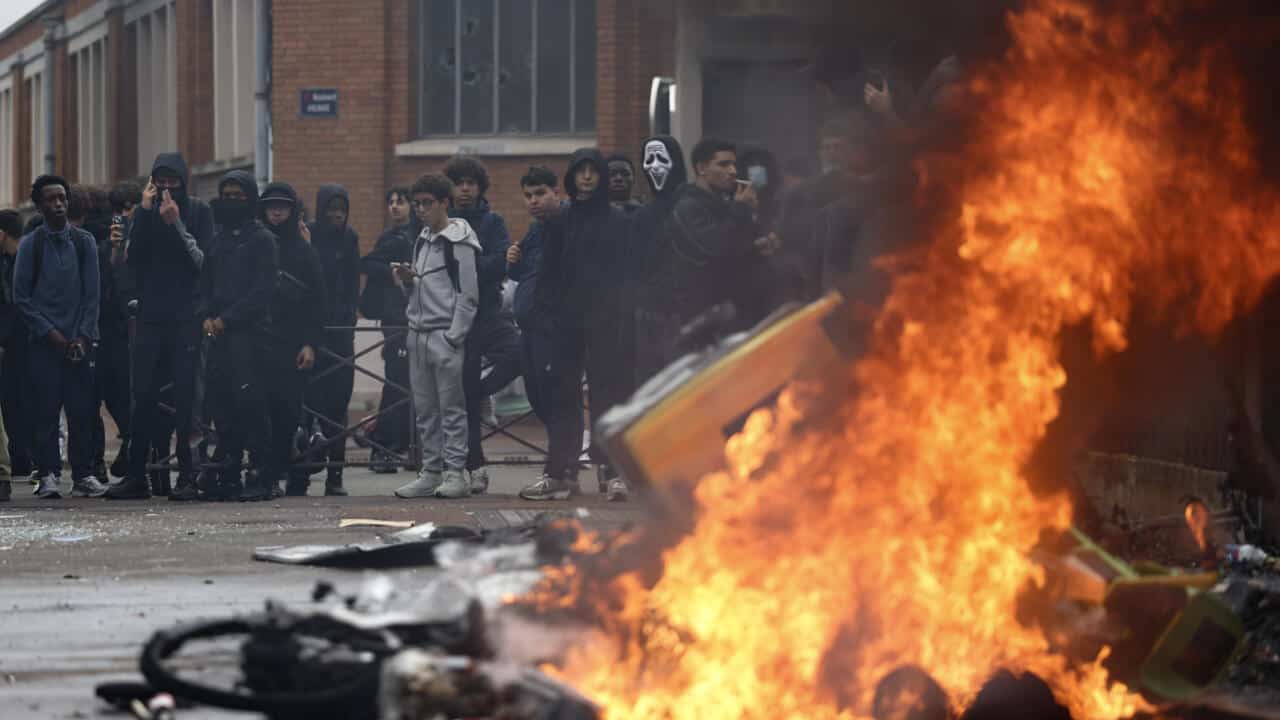
- Protests have turned violent, with injuries and hundreds of arrests.
- 400 schools were affected by protests or disruptions.
- Ten people were wounded and hundreds were detained.
- LFI lawmaker Louis Boyard denied the party's involvement, advocating for non-violent demonstrations.
France's intelligence agencies have informed a government crisis meeting that hard-left politicians were behind a recent wave of student protests. These demonstrations, which began over school conditions such as timetables, class sizes, teacher shortages, and overheated classrooms, have escalated into violence across the country.
According to reports, the protests, which started in the Ile-de-France region, have spread nationwide. On Tuesday, teenagers were involved in setting rubbish bins on fire and throwing projectiles at police, who responded with batons and tear gas. The education ministry reported that 400 out of approximately 3,700 schools were affected by protests or disruptions, with 40 blockaded and 44 facing attempted blockades. Ten individuals, including students and staff, sustained injuries, and hundreds, mostly minors, were detained. Interior Minister Laurent Nunez stated that 440 were detained nationally, with two-thirds leading to police custody.
Education Minister Édouard Geffray condemned the violence, calling it "unspeakable" and warning that legitimizing or expanding blockades endangers students and officials. In response to the accusations, LFI lawmaker Louis Boyard stated that the party has always advocated for non-violent demonstrations and that the government's actions have exacerbated the situation.
Separately, unions staged nationwide demonstrations and strikes over the government's budget. The CGT union claimed 300,000 people marched across France, while police estimated the Paris figure at 30,000.