Key facts
- 164 people were arrested on Monday during student protests across France.
- Prime Minister Sébastien Lecornu called escalating demonstrations 'irresponsible' and warned against endangering students, staff, or police.
- Students are protesting issues including overcrowded classrooms, teacher shortages, and long timetables.
- Interior Minister Laurent Nuñez described protests as 'urban violence' involving masked individuals.
- On Tuesday, protests were reported at 300 high schools, with 40 further arrests and 10 students and staff injured.
- Civil servants and teachers also went on strike over government budget plans including a €54 billion savings drive.
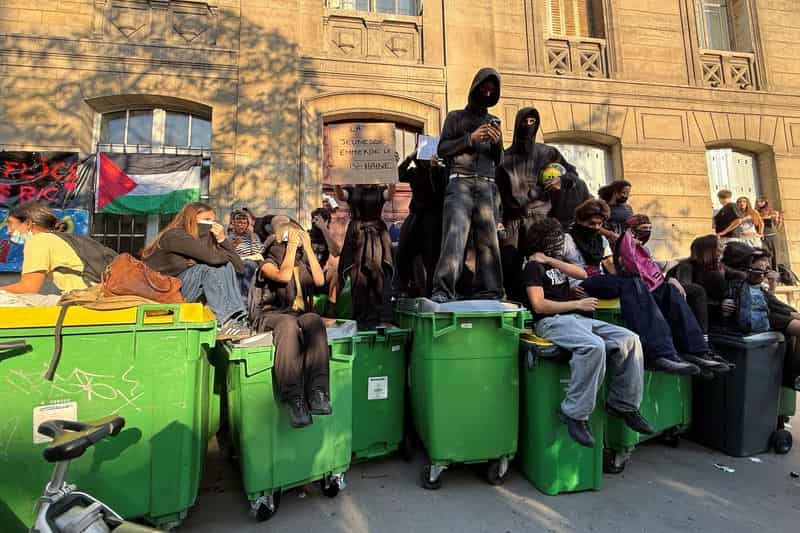
Student protests over class sizes, teacher shortages, and long timetables escalated across France on Tuesday, leading to clashes with police and further arrests. Demonstrations that began in Paris last week spread to around 300 high schools nationwide, with authorities reporting 40 additional arrests and 10 students and staff injured by midday Tuesday. On Monday, 164 people were arrested, and 12 officers, 12 students, and three school staff were injured.
Prime Minister Sébastien Lecornu condemned the violence, calling any escalation 'irresponsible' and stating that endangering students, staff, or police was unjustifiable. He criticized Jean-Luc Mélenchon, leader of the hard-left France Unbowed party, for his intervention, which Lecornu deemed an 'irresponsible escalation' and an 'insult' for alleging a racist undertone to the police response.
Students cited issues such as overcrowded classrooms, a lack of resources, and teacher shortages. Protests coincided with a strike by civil servants and teachers over the government's budget plans, which include a €54 billion savings drive. The Union Syndicale Lycéene called for continued blockades while urging peaceful protest, but the interior and education ministries issued a circular to police regarding proportionate use of force outside high schools, which the union president called a 'scandal'.