Key facts
- The 8th US Circuit Court of Appeals stayed the EPA permit until it rules on an emergency stay request by the Iowa Environmental Council and the Sierra Club's Iowa chapter.
- Earthjustice, suing for the groups, said the detonations would release a toxic plume of lead dust that could travel 100 miles north depending on weather.
- Acting Secretary of the Army Adam Telle said the Army and EPA found controlled detonation the lowest-risk option for the immediate and surrounding area.
- Patrick Wall, a beef field specialist with Iowa State University, said farmers were moving hundreds of cattle by truck to other locations.
- The Iowa Department of Agriculture and Land Stewardship recommended cattle farmers move livestock, feed and equipment, acknowledging that was not feasible everywhere.
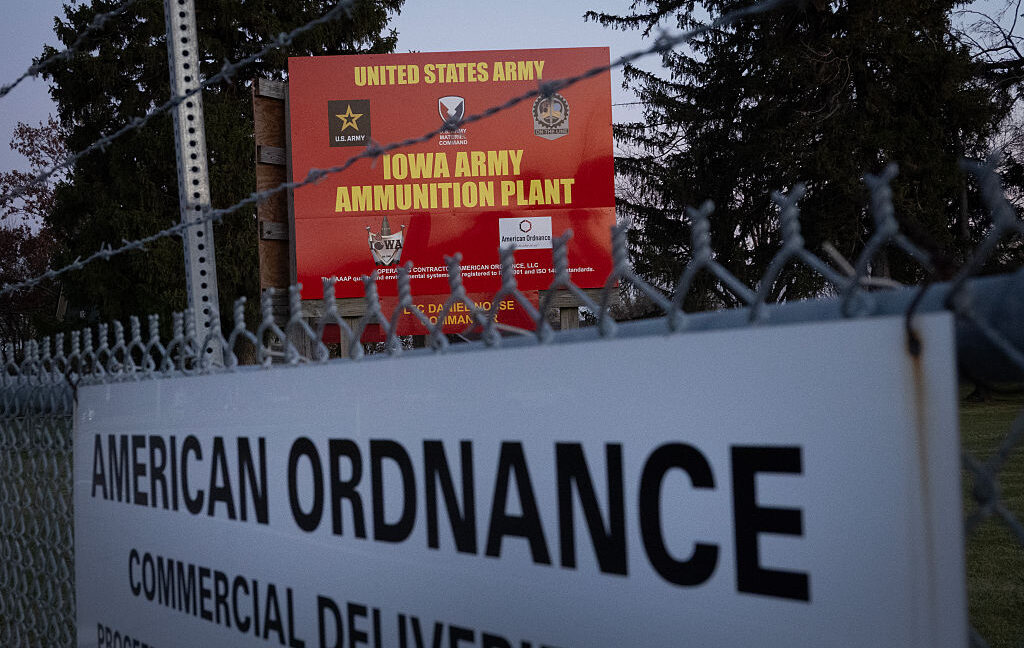
The 8th US Circuit Court of Appeals on November 20 paused a US Army plan to detonate 68 barrels of toxic lead azide in Iowa, granting a temporary stay of the permit issued by the US Environmental Protection Agency until the court can rule on a request for an emergency stay by the Iowa Environmental Council and the Sierra Club's Iowa chapter. It was not immediately clear when the court would rule.
The detonation of the degraded lead azide, an explosive used in military munitions, was initially planned for November 20. The Army had postponed it until November 23 after public outcry by residents and farmers near Middletown, about 160 miles (257.5 km) from Des Moines.
Earthjustice, a nonprofit environmental law organization suing on behalf of the groups, said in a statement that the detonations would release "a toxic plume of lead dust into the air that could travel 100 miles north of the site, depending on weather conditions." Lead exposure can cause serious health problems, particularly in children, including damage to the brain and nervous system.
In a statement on November 19, acting Secretary of the Army Adam Telle said the Army had determined with the EPA that a controlled detonation to dispose of the degraded lead was the option that posed the lowest risk to the public in the immediate and surrounding area.
Earlier in the week, the Iowa Department of Agriculture and Land Stewardship recommended that cattle farmers near the detonation site move their livestock, feed and equipment to alternate locations or indoors, acknowledging that in some places this would not be feasible. On November 20, Patrick Wall, a beef field specialist with Iowa State University, said questions remained about the impact on livestock in the area. "There's no research I can grab that says this is how a cow ingests lead this way," Wall said. He said farmers were moving hundreds of cattle by truck to other locations, costly at a time of high diesel prices, but with beef at record prices, "they're just not willing to risk it."