Key facts
- Senate aides said the chamber will vote as soon as the week of November 30 on a resolution of disapproval of the pact.
- The agreement lets Saudi Arabia enrich uranium and build reactors with US technology, and omits the Additional Protocol on snap inspections.
- Senate aides said they do not know whether the resolution has the simple majority needed to pass, where Republicans hold a 53-47 majority.
- Representative Brad Sherman wrote in the Washington Post that a civil nuclear program without robust safeguards is the first step toward a weapon.
- IAEA chief Rafael Grossi said inspection provisions are very satisfactory even without the Additional Protocol, according to the report.
- The Saudi embassy in Washington did not respond to a request for comment, the report said.
Houthi attacks on Saudi infrastructure are adding to concerns about US President Donald Trump's proposed nuclear power pact with Saudi Arabia, weeks before US senators are due to vote on whether to block the agreement, Reuters reported on November 20, 2026.
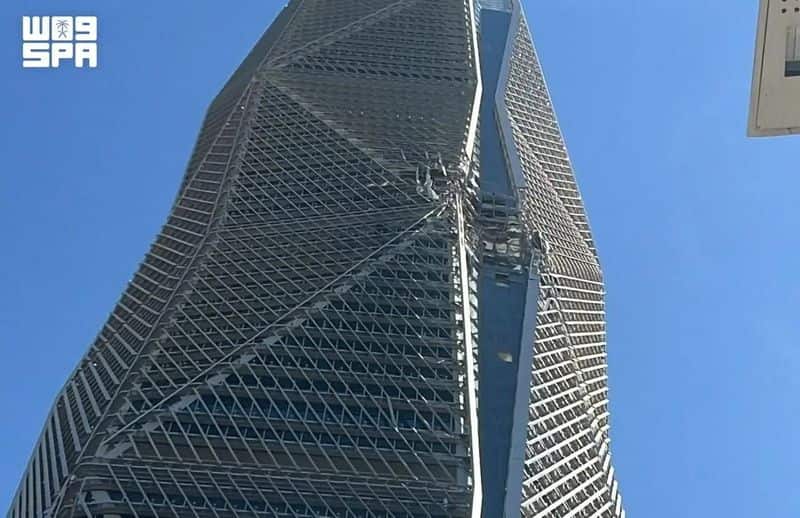
Yemen's Iran-aligned Houthis have intensified drone and missile strikes on Saudi airports, oil facilities and office buildings, raising questions about Riyadh's ability to secure nuclear plants that would be built under the pact. The Senate will vote as soon as the week of November 30 on a resolution of disapproval of the proposal, known as a 123 Agreement, Republican and Democratic Senate aides familiar with the timing said. Trump announced the deal in July, surprising members of Congress, and submitted it to Congress in August.
Under the agreement, Saudi Arabia would be able to enrich uranium and build nuclear reactors using US technology. It does not include the Additional Protocol, which grants the UN's International Atomic Energy Agency intrusive powers such as snap inspections. Some Democratic lawmakers and nonproliferation advocates have criticized the pact for not barring Saudi Arabia from enriching uranium or reprocessing nuclear waste, two potential pathways for making a nuclear weapon. The United Arab Emirates agreed to such measures, known as the gold standard, in its 2009 deal with Washington.
The Houthis escalated their threats on Friday, saying they would attack Saudi Arabia's Red Sea ports and warning everyone nearby to stay away. Concerns about the deal have focused mainly on the possibility that Saudi Arabia one day could build a nuclear weapon, but the Houthi campaign has fueled worries that militants could strike or seize nuclear facilities.