Key facts
- The FDA held a public meeting to gather feedback on the therapeutic use of psychedelic drugs.
- The Trump administration is pushing to speed the development of treatments like ibogaine and psilocybin.
- Psychedelic drugs are currently considered Schedule I controlled substances in the U.S., meaning they have no medical use and high risk for abuse.
- Treatments derived from psychedelic compounds are being tested for severe depression, PTSD, substance abuse disorders, and other conditions.
- In Australia, MDMA is approved for PTSD, and psilocybin is authorized for treatment-resistant depression.
- Compass Pathways' synthetic psilocybin, COMP360, is being tested for treatment-resistant depression, with a new drug application submission to the FDA expected in late 2026.
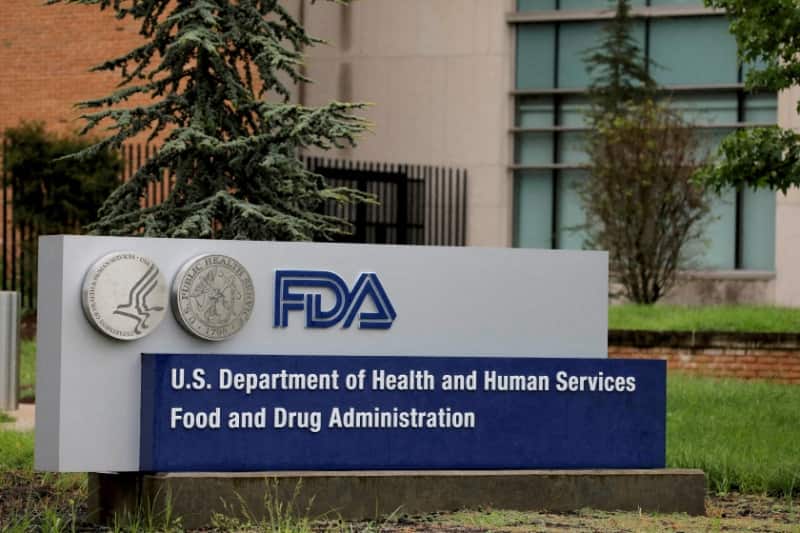
The U.S. Food and Drug Administration (FDA) held a public meeting to gather feedback on the therapeutic use of psychedelic drugs, a move that aligns with the Trump administration's initiative to accelerate the development of such treatments. Currently, most psychedelic drugs are classified as Schedule I controlled substances in the U.S., indicating no accepted medical use and a high potential for abuse.
Drugmakers are testing various psychedelic compounds, with the strongest evidence supporting their use in patients with severe depression or post-traumatic stress disorder (PTSD) who have not responded to conventional treatments. Early-stage trials are also exploring their efficacy for substance abuse disorders, borderline personality disorder, anxiety, and other conditions.
Psychedelic treatments work by activating proteins that regulate the brain's ability to reorganize and form new connections. These therapies are typically administered in a clinical setting alongside intensive psychotherapy, rather than taken daily at home.
While some countries have approved psychedelic-based treatments, such as Australia's approval of MDMA for PTSD and psilocybin for treatment-resistant depression, the U.S. and Europe have approved Johnson & Johnson's esketamine nasal spray, Spravato, for similar conditions. Psilocybin is considered the leading candidate for authorization in the U.S. and Europe for treatment-resistant depression, with Compass Pathways' COMP360 showing promising results in late-stage trials. Filament Health is also testing its psilocybin capsule, PEX010, while Definium Therapeutics is evaluating an LSD-based treatment. Lykos Therapeutics' MDMA capsule for PTSD was declined approval by the FDA in August 2024 due to study method issues.
Potential risks associated with psychedelic-assisted therapy include acute anxiety, panic, confusion, and short-term worsening of mood. An estimated 10% to 15% of patients may experience longer-term negative effects, and there is a risk of psychosis or mania, particularly in individuals with a predisposition. Physical risks like nausea, headaches, and transient increases in blood pressure have also been noted. These risks are amplified when drugs are used outside of clinical settings.