Key facts
- ExxonMobil is increasing its use of automated drilling rigs in the Permian Basin.
- The company aims to have half of its drilling fleet automated by 2028.
- Automated rigs reduce worker risk by removing them from the "Red Zone" on the rig floor.
- ExxonMobil plans to increase Permian production by nearly 40% to 2.5 million barrels of oil equivalent per day by 2030.
- The first automated rig installed by ExxonMobil drilled horizontally in just over six days.
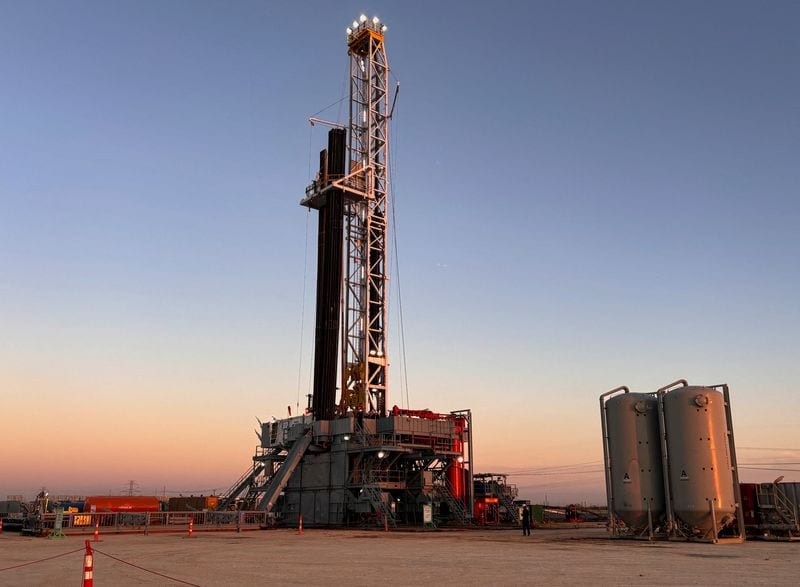
ExxonMobil is significantly increasing its use of automated drilling rigs in the Permian Basin, the largest U.S. oilfield, as part of a strategy to boost oil output and enhance operational safety. The company currently operates two automated rigs and plans to transition half of its more than 30-rig fleet to this technology by 2028.
These automated rigs utilize robotic machinery to handle heavy steel pipes, removing human workers from the "Red Zone" on the rig floor, which is the most common location for accidents. This move aims to reduce injuries and increase drilling efficiency, allowing workers to focus on planning and other operations.
ExxonMobil has set an ambitious goal to grow its Permian production by nearly 40% to 2.5 million barrels of oil equivalent per day by 2030. In contrast, rival Chevron plans to maintain its production levels. The company's first automated rig, supplied by Helmerich & Payne, demonstrated its efficiency by drilling a horizontal well in just over six days.
Beyond automation, ExxonMobil is also developing a suite of over 40 technologies to potentially double its oil recovery from the Permian by the early 2030s, addressing the industry's challenge of the relatively quick decline rate of shale wells.