Key facts
- EU ministers agreed on Sept. 28 to sanction 10 Russian officials.
- The sanctions target those responsible for barring the Yabloko party from Russia's parliamentary elections.
- The sanctions include asset freezes and a ban on transactions with EU companies.
- The list includes three judges from Russia's Supreme Court and an official from the Prosecutor General's Office.
- The EU is also considering sanctions against individuals involved in elections in Russian-occupied Ukrainian territories.
- The EU adopted further sanctions against 27 individuals and organizations involved in the abduction and indoctrination of Ukrainian children.
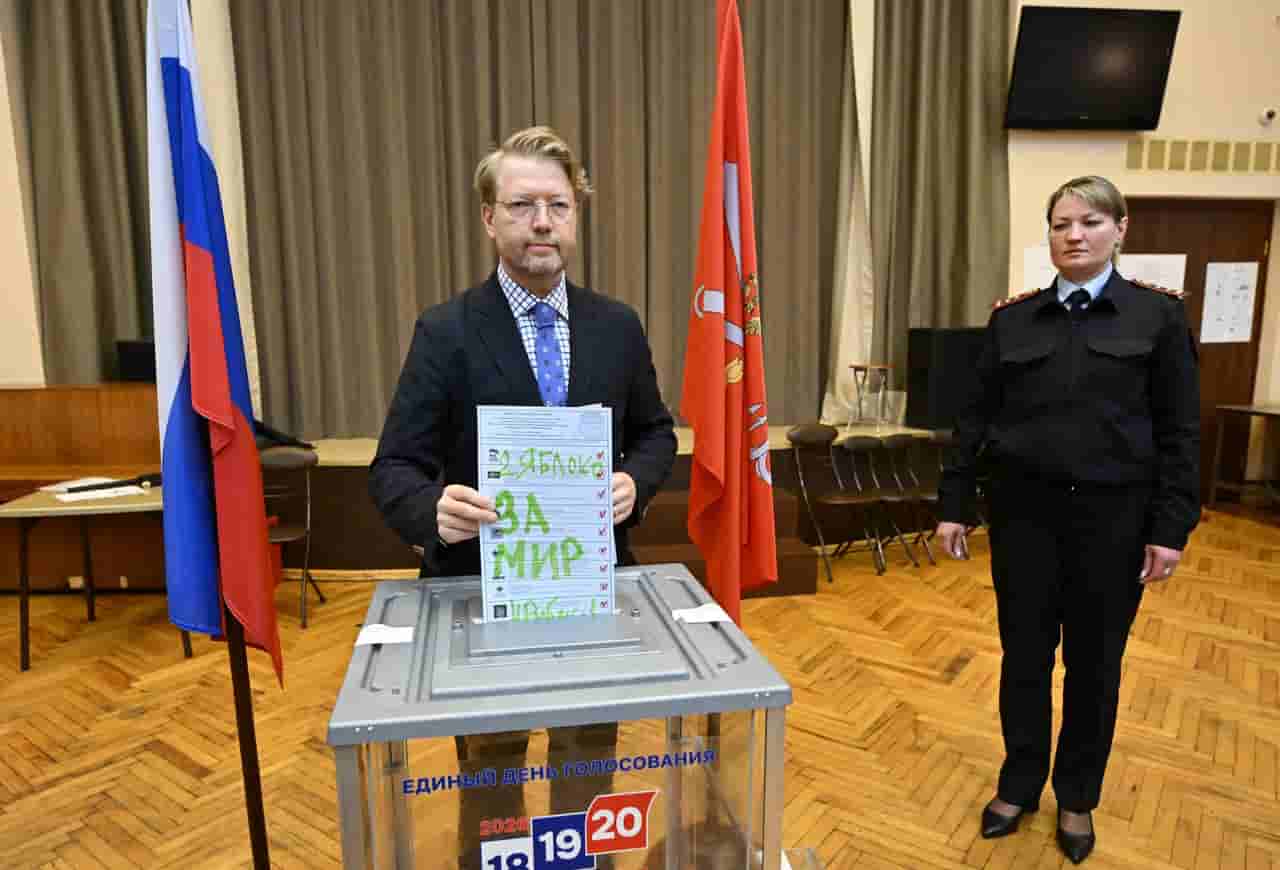
European Union ministers agreed on September 28 to impose sanctions on 10 Russian officials deemed responsible for preventing Russia's Yabloko party, the country's last remaining anti-war opposition group, from participating in the recent parliamentary elections. The sanctions, which will involve asset freezes and a ban on transactions with EU companies, target judges, prosecutors, and public officials involved in repression and politically motivated prosecutions against the Yabloko party.
According to an EU press release, the sanctioned individuals include three judges from Russia's Supreme Court and an official from the Prosecutor General's Office. Russia's September 18-20 election was marred by widespread allegations of manipulation and the exclusion of genuine opposition.
The EU's top diplomat, Kaja Kallas, also proposed restrictions on those enabling the elections held in Russian-occupied Ukrainian territories. National and EU diplomats confirmed to the Kyiv Independent that a preliminary list of 77 individuals, including candidates and members of Russia's electoral commission, involved in these elections had been discussed. This list requires legal review by experts from the 27 EU member states, with a final adoption aimed for an EU foreign ministers' summit on October 12.
In a separate action, the EU also sanctioned 27 individuals and organizations implicated in Russia's abduction and indoctrination of over 20,000 Ukrainian children. These listings, adopted hours before an international summit on the issue in Toronto, include children's camps and sports centers in Russia, occupied territories, and North Korea. The Songdowon International Children's camp was specifically added for its involvement in programs transferring Ukrainian children to promote pro-Russian narratives.