Key facts
- The EU disbursed 386.3 million euros to Ukraine in exchange for a new law on judicial integrity declarations.
- Ukrainian judicial watchdog Dejure argues the new law dismantles integrity declarations as a tool for holding judges accountable.
- The new law replaces specific questions about conflicts of interest and rulings against protesters with broader inquiries about corruption offenses.
- The law also removes the section requiring judges to certify their lifestyle matched their declared income.
- Critics argue the law fails to adequately address judges linked to Russia and postpones Supreme Court reform.
- The EU Council described the integrity declarations law as a 'satisfactorily fulfilled' requirement for the loan.
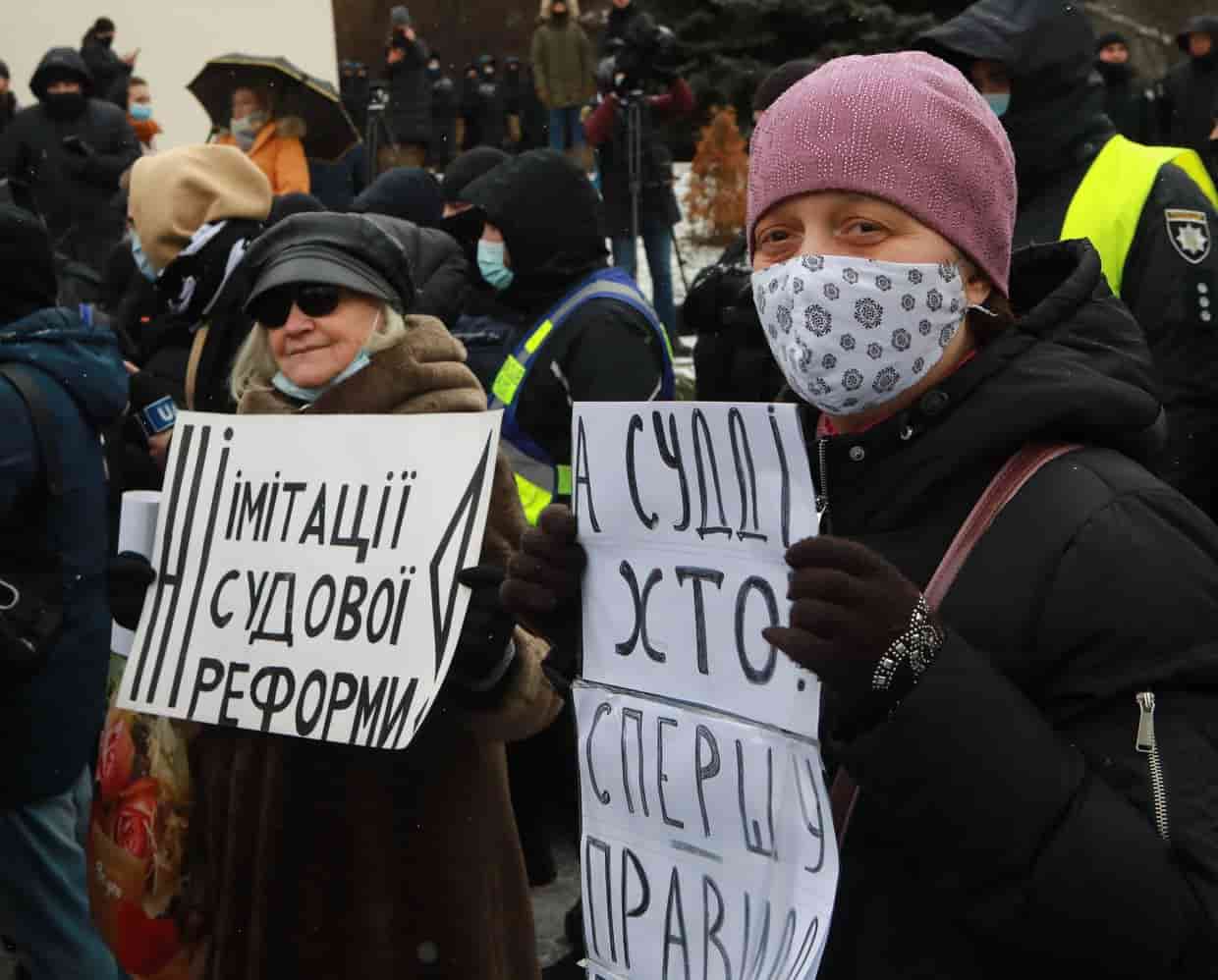
The European Union's decision to disburse 386.3 million euros to Ukraine as part of a 3 billion euro lending plan has drawn criticism from Ukrainian judicial experts who argue the accompanying law on integrity declarations for judges is an 'anti-reform'. The law, passed in June, was presented by the EU Council as a 'satisfactorily fulfilled' requirement for the funds, aimed at enhancing judicial accountability and integrity.
However, watchdogs like Dejure and AutoMaidan contend that the new legislation weakens the system rather than improving it. Dejure stated that the law effectively dismantles integrity declarations as a meaningful tool for accountability, making it easier for judges to evade responsibility for false statements. Previously, judges had to answer specific questions regarding conflicts of interest, rulings against protesters, and the alignment of their lifestyle with declared income. The new law replaces these with broader questions about corruption offenses and compliance with ethics codes, which critics say offer judges significant interpretive leeway.
Furthermore, the law removes the crucial section requiring judges to certify that their lifestyle matched their declared income. Critics also point out the law's inadequacy in identifying judges linked to Russia, with specific questions about cooperation or travel to Russia only applying to the preceding year, not the period since 2014. The reform also postpones a separate bill on Supreme Court reform, which has been plagued by corruption scandals, for an additional six months, despite it being another EU requirement.
Mykhailo Zhernakov, head of Dejure, warned that by paying for what is effectively an 'anti-reform,' the EU signals that Ukrainian authorities can act with impunity. Kateryna Butko of AutoMaidan echoed this sentiment, expressing a desire for the EU to demand more stringent reforms. Justice Minister Denys Maslov, however, denied these accusations in a previous interview, presenting the bill as a genuine reform.