Key facts
- Estonia deported Russian citizen Anton Zuyev on November 24 at the recommendation of the Internal Security Service.
- The Internal Security Service said the deportation aimed to prevent and counter potential threats to Estonia's national security.
- Estonian authorities did not disclose the nature of Zuyev's contacts with Russian intelligence or whether he was suspected of specific operations.
- Estonian Foreign Minister Margus Tsahkna commented on the deportation, saying Russian intelligence contacts are possible "In Russia."
- Estonian authorities attributed an attempted arson attack on drone manufacturer Threod Systems on November 14 to Russia's GRU.
- British intelligence and defense officials warned on November 24 that companies supplying Ukraine's military could face Russian sabotage attacks.
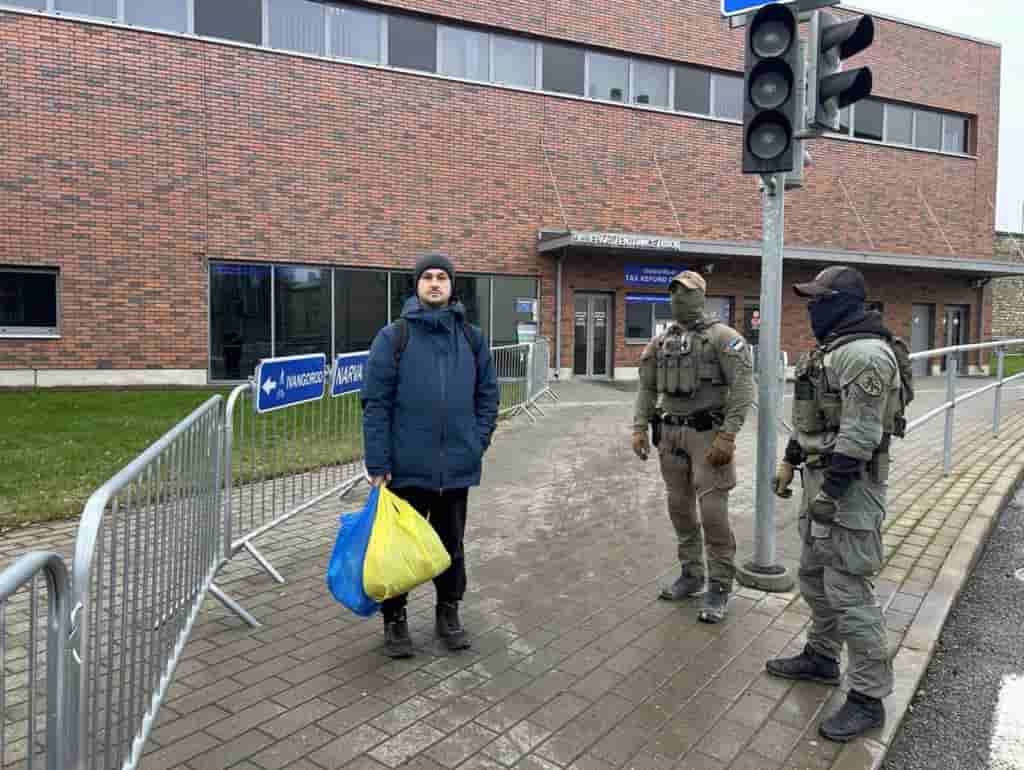
Estonia deported Russian citizen Anton Zuyev on November 24 after authorities found he had contacts with Russian intelligence services, the country's Internal Security Service (KAPO) announced on November 25. KAPO recommended the deportation to prevent and counter potential threats to Estonia's national security, the agency said.
Estonian authorities did not publicly disclose the nature of Zuyev's contacts with Russian intelligence or whether he was suspected of carrying out specific operations. Estonian Foreign Minister Margus Tsahkna commented on the deportation: "Now you can communicate with Russian intelligence services as much as you want. In Russia."
The decision followed an attempted arson attack on Estonian drone manufacturer Threod Systems on November 14, which Estonian authorities attributed to Russia's military intelligence agency, the GRU. Estonia's security service has also warned that Russian intelligence is targeting defense companies supplying Ukraine, including manufacturers of drones and other military equipment.
A day earlier, on November 24, British intelligence and defense officials warned companies supplying Ukraine's military that they could face Russian sabotage attacks, urging them to strengthen security measures, according to a joint alert. British officials said Russia had stepped up sabotage attempts against European defense facilities in recent months, often using recruited operatives to carry out arson attacks and other operations aimed at weakening support for Ukraine. The threat also includes espionage, intimidation, and information operations, according to the alert.