Key facts
- Presidential adviser Serhii Beskrestnov said the Blysk laser, deployed by Carmine Sky, downed a Russian Geran drone.
- Beskrestnov said it is too early for serial production and that tests are underway.
- The Blysk has a reported power output of four kilowatts and a range of up to one kilometer.
- Cloud cover and fog over Kyiv had reportedly limited the laser's effectiveness against Russian drones.
- Ukraine's Defense Ministry said private air defense units had downed more than 60 aerial targets as of Oct. 14.
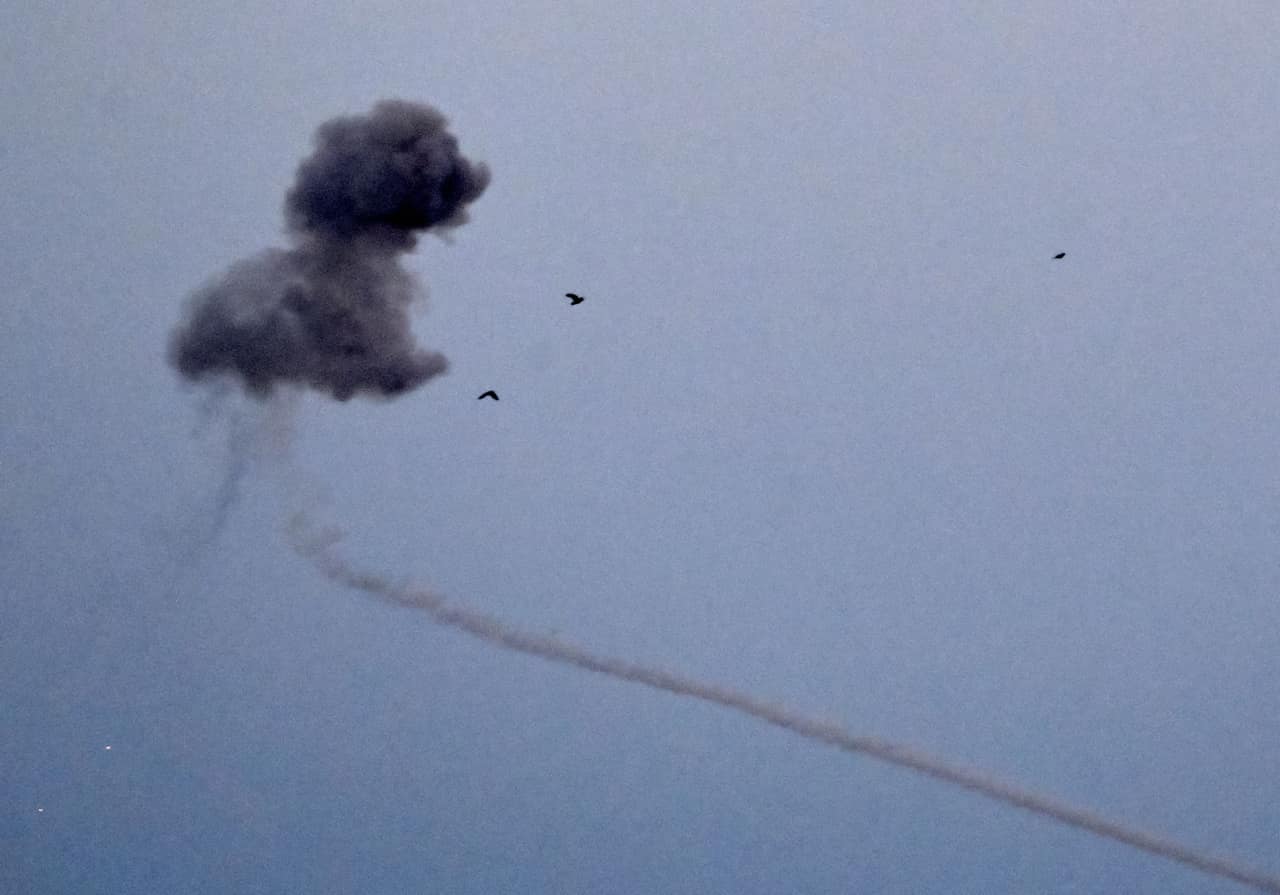
A Ukrainian air defense laser intercepted a Russian jet-powered Geran drone for the first time in combat conditions, presidential adviser Serhii "Flash" Beskrestnov said on Nov. 25. The "Blysk" laser system, deployed by the company Carmine Sky, was protecting a critical infrastructure facility, Beskrestnov said.
Beskrestnov tempered expectations for the capability. "It is still too early to talk about serial production of the laser. Tests are underway, during which lasers protect critical infrastructure facilities," he said.
The Blysk system has a reported power output of four kilowatts and an effective range of up to one kilometer. Persistent cloud cover and fog over Kyiv had reportedly prevented the system from engaging Russian drones effectively, because cloud cover can disperse the beam before it reaches a drone.
On Nov. 19, Carmine Sky announced that Ukraine's first air defense laser was deployed to help protect Kyiv from Russian drones. Laser weapons are being developed as a cheaper alternative to conventional air defense missiles, requiring electricity rather than more costly interceptor drones or missiles. Precision tracking of agile drones with a laser can be difficult.
Beskrestnov said the technology is being developed within the "Private Air Defense" state program with the support of the Brave-1 defense technology cluster. Launched by the Defense Ministry, the program authorizes companies to form air defense groups under the Air Force's operational control. About 100 companies have joined, with half forming active combat units, using systems ranging from interceptor drones to automated gun turrets.