Key facts
- Aliko Dangote plans a $17 billion, 700,000-barrel-per-day refinery in Lamu, Kenya.
- Tanzania and Uganda are partnering with Vitol Bahrain on a $20 billion energy hub in Tanga.
- Uganda is also developing its own $4 billion oil refinery in Hoima.
- The competing projects highlight regional rivalries and challenge East African Community integration goals.
- Kenya is extending its Standard Gauge Railway to the Ugandan border, while Tanzania is diverting trade to Dar es Salaam.
East African nations are engaged in a significant rivalry over energy infrastructure development, with multi-billion dollar projects being launched across the region. Nigerian billionaire Aliko Dangote is set to build a massive $17 billion refinery in Lamu, Kenya, with a capacity of 700,000 barrels per day, intended to serve Kenya and its neighbors. This project, however, has highlighted underlying mistrust among regional leaders, particularly concerning the location and consultation process.
Initially, discussions for a regional refinery involved Kenya, Tanzania, and Uganda, with Tanzania's coastal city of Tanga considered. Questions arose about Kenyan President William Ruto's motives for supporting a facility in a neighboring country, given Kenya's status as the regional economic leader. Tanzania's President Samia Suluhu Hassan publicly criticized Ruto for announcing the project without consulting her government.
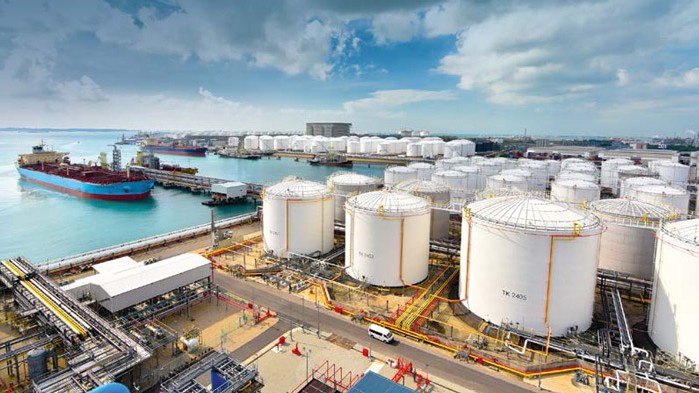
Dangote ultimately chose Lamu, Kenya, as his preferred location after considering other sites in Uganda and Kenya. Ruto's government committed seed capital to the project. In response, Tanzania and Uganda announced a partnership with global energy trader Vitol Bahrain to develop a $20 billion regional energy hub in Tanga. This Tanga project aims to utilize the nearly completed East African Crude Oil Pipeline (EACOP) for petroleum storage and blending, offering landlocked nations an alternative supply corridor.
Uganda is hedging its bets by supporting both the Lamu and Tanga initiatives, while also pursuing its own $4 billion oil refinery in Hoima with UAE backing, aiming for domestic self-sufficiency by 2030. These parallel and potentially duplicative projects echo past pipeline deal collapses, such as the 2014 Uganda-Kenya pipeline agreement, where Uganda ultimately opted for a Tanzanian route due to cost and security considerations. Total is the majority shareholder in the EACOP pipeline.
The intense competition and lack of coordination raise questions about the viability of the East African Community's goal of regional integration. Kenya is also focused on completing its Standard Gauge Railway extension to the Ugandan border, while Tanzania is expanding its own railway network to divert trade from Kenya's Port of Mombasa to Dar es Salaam.