Key facts
- Dr. Munjal Shroff used Healz AI to help his wife through her rare T-cell lymphoma diagnosis and treatment.
- Healz AI recommended a second opinion from MD Anderson Cancer Center, which was crucial for the diagnosis.
- Recursive Superintelligence cofounder Alexey Dosovitskiy, a former Google researcher, is an investor in Healz AI.
- Healz AI uses existing AI models layered with its own memory system and workflows.
- The app has a 'root-cause mode' that prompts the model to ask follow-up questions before drawing conclusions.
- Healz AI's monthly recurring revenue doubled each month from June to August, reaching $100,000 annually as of early September.
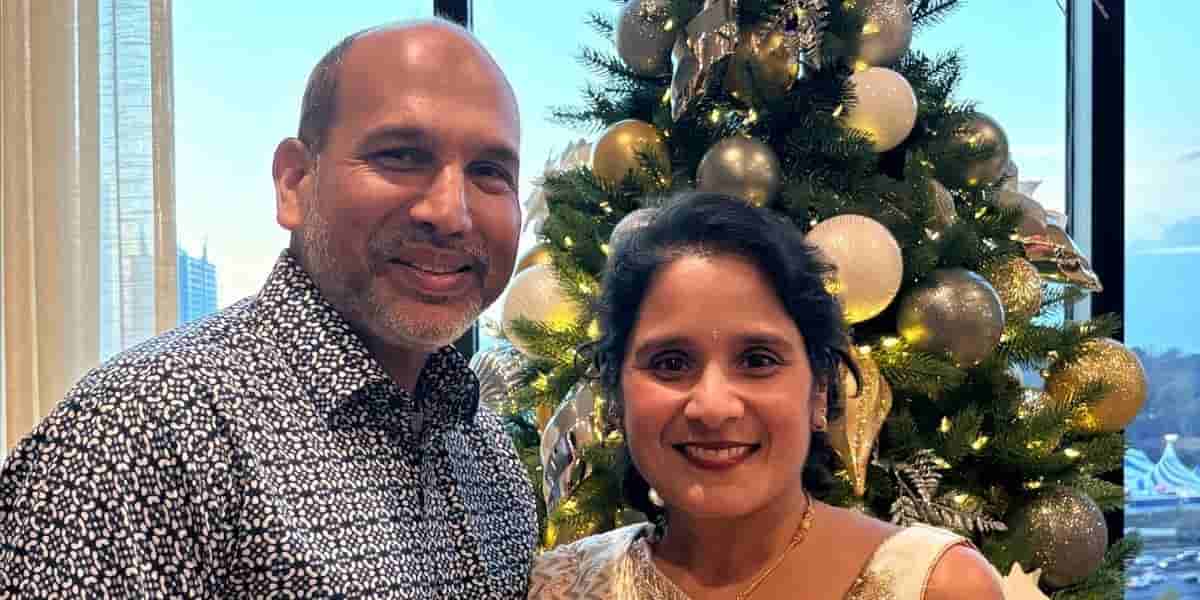
Dr. Munjal Shroff, a psychiatrist, turned to an AI healthcare assistant named Healz AI to help navigate his wife's unexplained symptoms, which ultimately led to a diagnosis of rare T-cell lymphoma. Shroff found the AI tool indispensable throughout his wife's treatment and became an investor in the company.
His wife began experiencing symptoms like rashes, itching, fatigue, and swollen lymph nodes in the fall of 2025. After consulting multiple doctors, they struggled to find a diagnosis. Shroff discovered Healz AI, a specialized healthcare chatbot, which he found more useful than general AI tools. The app encouraged them to seek a second opinion from the University of Texas MD Anderson Cancer Center, a pivotal step that led to the correct diagnosis.
Healz AI founders Igor Demishev and Alex Plat stated that their app is designed to supplement, not replace, human doctors. They focused on cancer due to its prevalence and complexity, and personal motivations. The AI uses existing models with its own memory system and workflows, and its 'root-cause mode' prompts it to ask numerous follow-up questions before offering suggestions, aiming to avoid common AI pitfalls like being overly agreeable.
Shroff continued to use Healz AI for treatment decisions, finding comfort when its recommendations aligned with her doctor's. The company reported that its annual recurring revenue reached $100,000 as of early September, with 97% of its user base being cancer patients. Despite its utility, Shroff acknowledged the AI has limitations and stressed the importance of using it in conjunction with human medical professionals.