Key facts
- Over 160 civil society groups urged Malaysia to stop deporting Rohingya refugees to Myanmar.
- The groups cited severe risks of ongoing violence and forced conscription in Myanmar.
- Malaysia plans to return 1,500 refugees on September 29.
- Malaysia has around 193,800 refugees from Myanmar as of February.
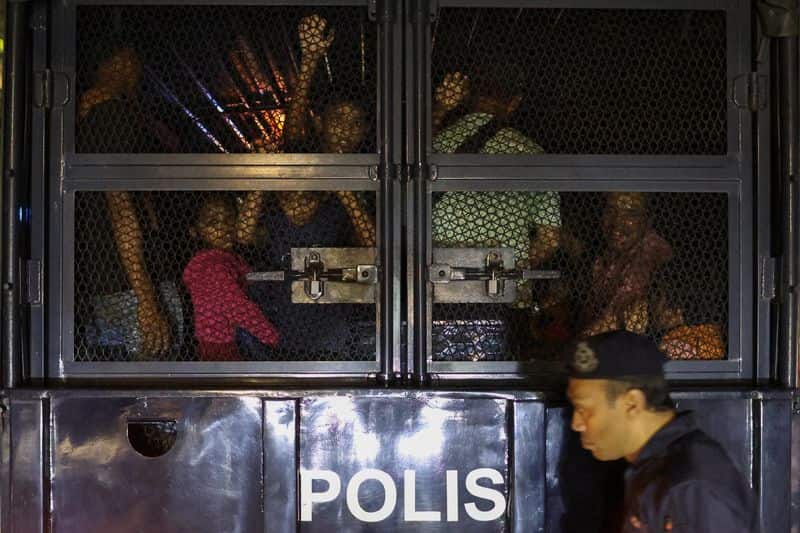
More than 160 civil society organizations released a joint statement on Wednesday urging Malaysia to halt plans to deport Rohingya refugees to Myanmar, citing severe risks of ongoing violence and forced conscription. The groups expressed "grave concerns" over Prime Minister Anwar Ibrahim's proposal to seek Myanmar junta leader-turned-president Min Aung Hlaing's cooperation to send back Rohingya, a Muslim-minority community long persecuted in Myanmar.
The Malaysian government was not immediately available for comment. Malaysia had around 193,800 refugees from Myanmar, including large numbers of Rohingya, as of February, according to the United Nations. The country says it plans to return 1,500 refugees on September 29 in a first phase. Malaysia stated that Myanmar has agreed to take back 5,000 refugees, without specifying if they were Rohingya.
Anwar has said he plans to invite Min Aung Hlaing to Malaysia in return for accepting Rohingya refugees. The statement from civil society groups described Min Aung Hlaing as the "architect of genocide" against Rohingya for the military crackdown, with the International Criminal Court currently weighing an arrest warrant against him. Myanmar, which does not recognize Rohingya as an ethnic group, has previously stated its military actions in Rakhine state were in response to militant attacks. The groups warned that Rohingya could face forced conscription into multiple armed groups upon returning to Myanmar, including the military, the Arakan Army (AA), and the Arakan Rohingya Salvation Army (ARSA). Thousands of persecuted Rohingya flee Myanmar each year, often risking dangerous journeys. Myanmar's military is currently fighting the Arakan Army, an ethnic armed group in Rakhine state seeking greater autonomy for the region.