Key facts
- Donald Trump threatened the EU with "serious tariffs" if it makes Canada an "associate member".
- Ursula von der Leyen invited Canada to become the EU's first associate member.
- European officials stated the US cannot veto EU decisions.
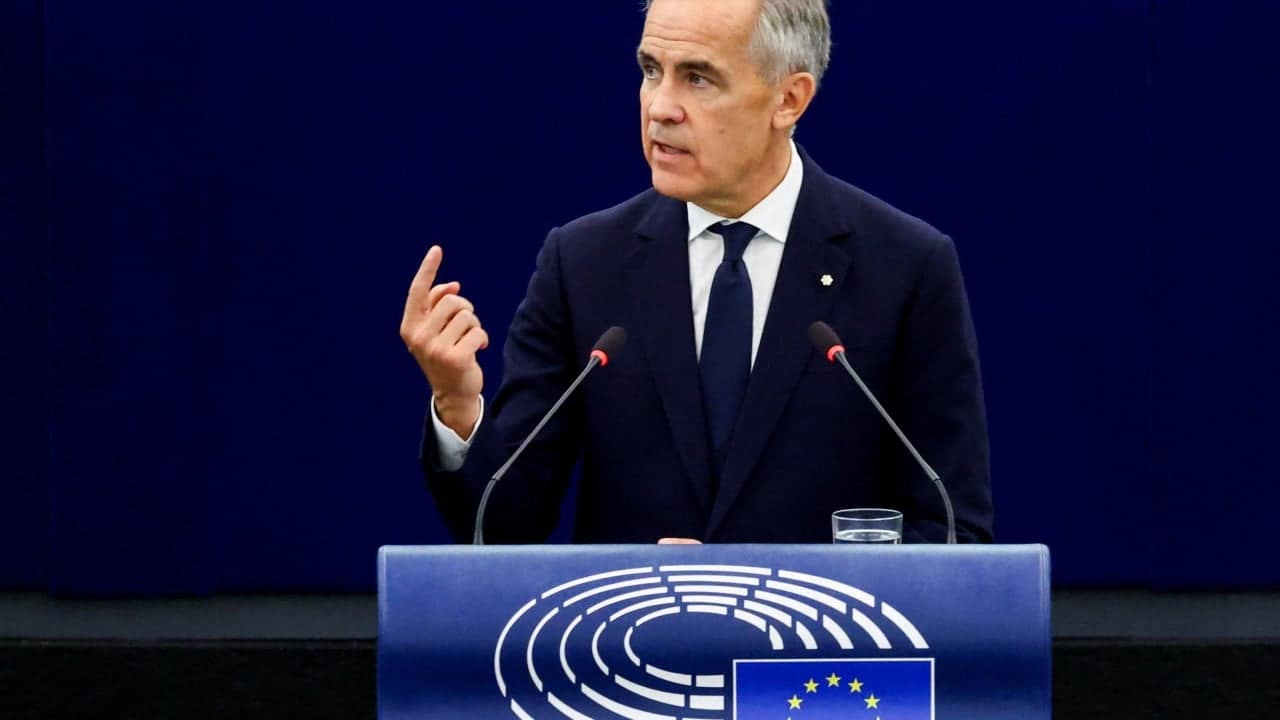
- Mark Carney addressed the European parliament on Thursday.
- The US Federal Reserve raised interest rates to 4% to fight inflation.
- Mike Johnson sent lawmakers home early for recess, avoiding votes on impeachment and AI legislation.
Donald Trump has threatened the European Union with "serious tariffs" and a halt to trading if it proceeds with an invitation for Canada to become the EU's first "associate member." Trump called the idea "laughable" and warned of "very heavy tariffs" if the EU moved forward with the plan.
European Commission President Ursula von der Leyen told the European parliament that Brussels and Ottawa needed to draw closer together as democracies face a "fracture in the international rules-based system." She described the partnership as being "for our common strength, not against anyone else."
France's Europe Minister Benjamin Haddad stated on Thursday that Washington has no authority to veto decisions made by the EU, asserting that it is not up to the United States to choose the political and geopolitical direction of Europeans.
Separately, the US Federal Reserve voted on Wednesday to raise interest rates for the first time since 2023, increasing the target range from 3.75% to 4% to combat persistent inflation. Fed Chair Kevin Warsh acknowledged changing geopolitics as a factor driving inflation but did not explicitly name the US-Israel war with Iran. Trump responded to the rate hike on Truth Social, criticizing the increase and the US trade deficit.
In US political news, Republican Speaker of the House Mike Johnson announced an early end to the legislative session, sending lawmakers home ahead of recess. This decision avoids votes on a resolution to impeach Defense Secretary Pete Hegseth and on proposed legislation concerning artificial intelligence. More than 100 House Democrats had urged Johnson to cancel the recess to focus on AI safeguards, but he stated that a moratorium on AI development is not feasible.
In other news, OpenAI disclosed six instances of "unexpected or concerning" behavior from its technology. The World Meteorological Organization reported that 2025 was one of the driest years on record for rivers globally, with 36% of river basins experiencing below-normal flows. Renewed fighting in Yemen has displaced at least 125,000 people since September 2026.