Key facts
- Hundreds of Burundians are seeking travel documents to return to their home country from Kenya.
- The move follows Kenyan President William Ruto's directive to close small businesses operated by foreign traders.
- Kenya announced a 90-day amnesty for undocumented foreigners to regularize their stay.
- Burundian nationals expressed fears of harassment and feeling unwelcome, doubting the amnesty's effectiveness.
- The Kenyan presidency warned against xenophobia and vowed to protect foreign nationals.
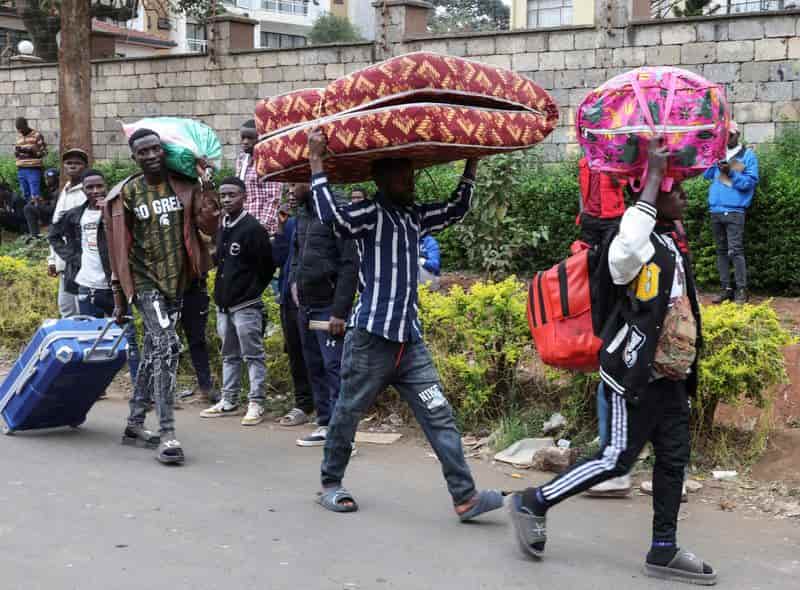
Hundreds of Burundians were at their embassy in Nairobi seeking travel documents to return to their home country, citing fears of violence and harassment despite Kenya's announcement of a temporary amnesty for undocumented East Africans. The exodus was prompted by Kenyan President William Ruto's recent directive for authorities to close down small-scale businesses operated by foreign traders, stating such work should be reserved for locals.
Despite the presidency issuing a statement on Tuesday to safeguard the rights of registered foreigners and offering a 90-day window for unregistered individuals to sort out their papers, many Burundians expressed doubt about the amnesty's protection. Habonimana Jacques, a Burundian motorcycle taxi driver, told Reuters that the president had treated them "like we are not human beings" and that even if they stayed, they would not have security due to ongoing harassment from Kenyans. Eric Niyonkur, a second-hand clothes seller, echoed these sentiments, stating, "We feel unwanted here ... it's time to go home."
Reports also emerged of Ugandans returning to their country from Kenya, though Reuters could not immediately verify these claims. According to the U.N. refugee agency, approximately 16,000 Burundian refugees and asylum seekers reside in Kenya, many of whom operate small businesses. Critics have accused President Ruto, who is expected to seek re-election next year, of blaming foreigners for Kenya's economic challenges. In its statement, the presidency warned against xenophobia and stated that authorities would not tolerate any discrimination, lawlessness, or violence against foreign nationals, emphasizing that enforcement operations would commence after the three-month amnesty period.