Key facts
- Ales Bialiatski, a Nobel Peace Prize laureate, stated that U.S. engagement with Belarusian President Alexander Lukashenko has freed hundreds of political prisoners but has not altered the authoritarian nature of his regime.
- Bialiatski described jailed individuals as "hostages" in a trade for sanctions relief, noting that repression continues with new arrests weekly.
- John Coale, President Donald Trump's envoy on Belarus, has facilitated releases and plans another visit to Minsk this month.
- Viasna reports the net total of political prisoners has fallen to 888 from 1,185 since June 2025.
- Bialiatski urged the European Union to maintain sanctions on Belarus, including a ban on potash fertilizer exports.
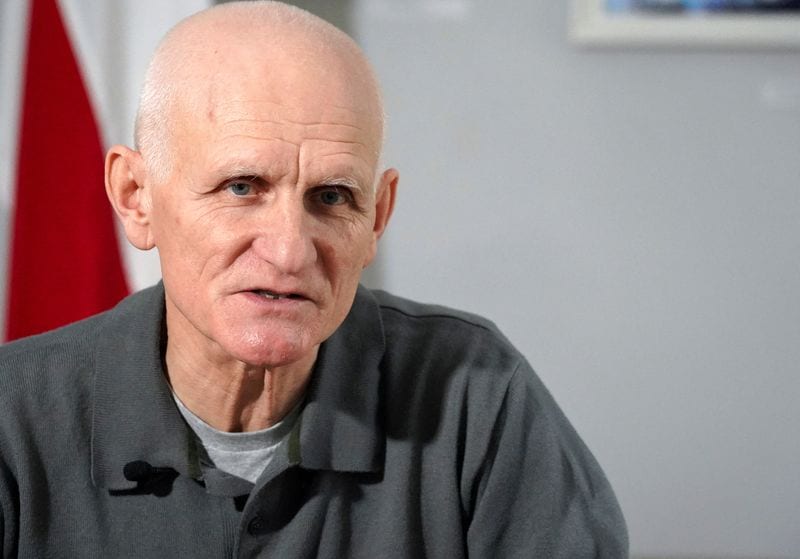
Ales Bialiatski, a prominent Belarusian human rights activist and co-winner of the 2022 Nobel Peace Prize, has stated that while U.S. engagement with Belarusian President Alexander Lukashenko has led to the release of hundreds of political prisoners, it has not fundamentally altered the nature of his authoritarian rule. Bialiatski described the jailed individuals as "hostages" in a transactional exchange for sanctions relief, emphasizing that the "machinery of repression keeps running" with new arrests occurring weekly.
John Coale, serving as President Donald Trump's envoy on Belarus, has been instrumental in negotiating these releases and plans to visit Minsk this month for further discussions, potentially meeting Lukashenko for the first time. Coale claims credit for freeing between 700 and 800 people since mid-2025. However, according to Viasna, the human rights group founded by Bialiatski, the net number of political prisoners has only decreased to 888 from 1,185 at the start of June 2025, indicating a "revolving door" of arrests.
Bialiatski, who himself spent 4-1/2 years in prison before being freed and expelled from Belarus last December, expressed gratitude for Washington's intervention but cautioned that the strategy of easing sanctions for prisoner releases is not fostering genuine change. He also noted increasing pressure against activists outside Belarus, having discovered he was placed on a "wanted" database by Belarus and Russia. He urged the European Union to maintain its sanctions on Belarus, including the ban on potash fertilizer exports, as long as Belarus aids Russia in the war in Ukraine. Bialiatski predicted that Lukashenko, in power since 1994, would likely remain in control until the end of his life, fearing potential criminal charges if he were to step aside.