All NewsEducationTVBrokers
Equities & FundsCrypto & Digital AssetsAI & TechnologyBusiness & CorporateUS Politics & PolicyGeopolitics & Global RiskMacro, Rates & FXCommodities & EnergyEuropean Politics & MarketsAsia-PacificReal Estate & Property
All NewsHome
© PiQ · The news that matters, on your cadence.AboutFAQTermsPrivacyDMCA
← Back to Geopolitics & Global Risk

Xi's India visit to ease diplomatic ties, but business links remain strained

Created at 10 Sep · 2:22 AM1 source↑ Market-relevant
IN SHORT

Chinese President Xi Jinping's visit to New Delhi for the BRICS summit is expected to foster diplomatic improvements between the two nations. However, significant hurdles persist in business relations, including stalled investments, visa delays, and restrictions on industrial equipment, indicating a gap between diplomatic progress and economic cooperation.

Key Numbers

20Indian soldiers killed in 2020 border skirmish
4Chinese soldiers killed in 2020 border skirmish

Who's Involved

Xi Jinping
Chinese President expected to attend BRICS summit in New Delhi
Narendra Modi
Indian Prime Minister whose meeting with Xi Jinping is crucial for bilateral ties
Lin Minwang
South Asia expert at Fudan University and former diplomat
Harsh Pant
Vice president at Observer Research Foundation think tank
Dixon Technologies
Indian company with a manufacturing venture with Vivo Mobile
Vivo Mobile
Chinese smartphone maker with a manufacturing venture in India
BYD
Chinese vehicle maker that shelved planned investments in India
Great Wall Motor
Chinese vehicle maker that shelved planned investments in India
Xi's India visit to ease diplomatic ties, but business links remain strained

↳ Why This Matters

The strained business and investment ties between China and India, despite diplomatic efforts, highlight the geopolitical risks and trade barriers that companies face when navigating complex bilateral relationships. This dynamic impacts global supply chains, particularly in critical sectors like technology and infrastructure, and influences investment decisions for multinational corporations.

Key facts

  • Chinese President Xi Jinping's visit to New Delhi for the BRICS summit is expected to improve diplomatic ties.
  • Business relations between China and India remain strained due to regulatory hurdles, visa delays, and equipment restrictions.
  • India eased some investment restrictions in March for sectors like electronics, capital goods, and solar.
  • Chinese firms BYD and Great Wall Motor halted investment plans in India due to heightened scrutiny.
  • India cited national security concerns in rejecting Alipay's link to its instant payments system.
  • China has reportedly asked companies to withhold critical technology and infrastructure sales to India.

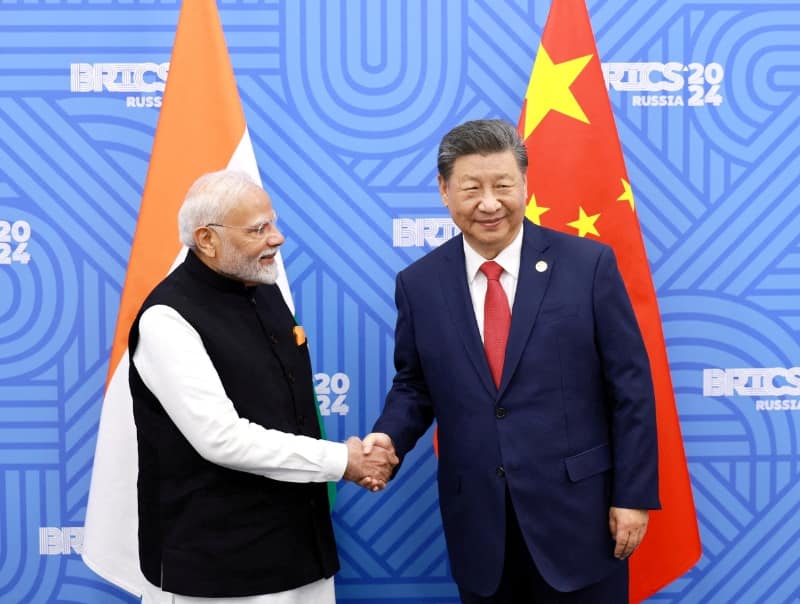
Chinese President Xi Jinping's anticipated visit to New Delhi for the BRICS summit this week is expected to further a diplomatic thaw between the two neighboring giants, though business ties remain hampered by suspicion and regulatory hurdles. Businesses in both countries continue to face challenges including stalled investments, visa delays, and restrictions on industrial equipment, highlighting a disconnect between diplomatic advancements and economic relations.

The relationship between China and India has historically been wary, marked by a brief war in 1962 and a significant border clash in 2020 that resulted in casualties on both sides. Despite these tensions, ties have seen some improvement in recent years, particularly following Indian Prime Minister Narendra Modi's visit to China last year, and as both nations navigate complex relationships with the United States. Experts suggest China desires improved ties, but progress hinges on India's willingness to reciprocate, with a high "trust deficit" noted.

In March, India relaxed some investment restrictions imposed after the 2020 clashes, targeting sectors like electronics, capital goods, and solar cells, and is considering faster approvals for joint ventures. New Delhi has approved projects such as a manufacturing venture between India's Dixon Technologies and Chinese smartphone maker Vivo Mobile. However, leading Chinese companies like vehicle manufacturers BYD and Great Wall Motor have abandoned planned investments in India due to heightened scrutiny.

Further complicating matters, Chinese companies' proposed investments in India are reportedly facing increased scrutiny from Beijing itself, particularly in sectors involving sophisticated manufacturing and high-end technology. China's foreign ministry stated that Xi and Modi view the countries as "partners, not competitors," representing opportunities for each other's development. However, India has denied Alipay's request to link to its instant payments system due to national security concerns and is considering an investigation into Xiaomi for alleged business irregularities.

Simultaneously, Chinese authorities have allegedly asked companies to refrain from selling critical technology and infrastructure, such as port equipment and solar panels, to India. While direct flights and visa procedures for Chinese business professionals were resumed last year, some Indian business individuals have recently faced difficulties obtaining visas for China. Additionally, essential equipment and components from China for key Indian sectors have been held up at Chinese customs for over a year, a situation described as more than administrative friction, reflecting China's potential use of trade and technology dependence as leverage.

Frequently asked questions

The BRICS summit is an annual meeting of the heads of state of the BRICS member countries: Brazil, Russia, India, China, and South Africa. It serves as a platform to discuss economic, political, and social cooperation among these emerging economies.

The 2020 border skirmish in the Galwan Valley resulted in the deaths of 20 Indian soldiers and four Chinese soldiers, significantly escalating tensions and leading to a prolonged military standoff and a deep erosion of trust between the two nations.

Sectors significantly impacted include electronics, capital goods, solar energy, mobile manufacturing, and critical infrastructure such as ports. Vehicle manufacturing also faced scrutiny, leading some companies to halt investment plans.

What Happens Next

01Xi Jinping and Narendra Modi may hold a meeting to discuss the future direction of bilateral ties.
02India's Serious Fraud Investigation Office may recommend an investigation into Chinese cellphone maker Xiaomi.

Discussion

0 / 1000

Loading comments…

How It Developed

China and India fought a brief war in 1962, establishing a wary relationship.
A 2020 border skirmish resulted in 20 Indian and four Chinese soldiers killed, further souring ties.
India eased some restrictions on Chinese investment in March, focusing on electronics, capital goods, and solar sectors.
New Delhi approved manufacturing ventures between India's Dixon Technologies and Chinese smartphone maker Vivo Mobile.
Chinese companies like BYD and Great Wall Motor shelved planned investments in India after facing heightened scrutiny.
India declined to approve Alipay's proposal to link to India's instant payments system, citing national security concerns.
India is considering investigating Chinese cellphone maker Xiaomi for alleged irregularities and breach of foreign investment laws.
Chinese authorities have reportedly asked companies not to sell critical technology and infrastructure to India.

Sources

T1
Analysis-Xi's India visit to help diplomatic thaw, but business ties bound by suspicionReuters

Related Stories

India Navigates BRICS Expansion Amid Geopolitical Tensions
9 Sep · 12:36 PM
Japan, India, Australia deepen Quad ties amid US policy uncertainty
9 Sep · 4:41 AM
India's Manipur to complete Myanmar border fence by 2028
9 Sep · 7:06 AM
Nepal seeks $5B climate compensation for flood aid
9 Sep · 6:32 PM
Japan's military build-up faces labor, budget, political hurdles
9 Sep · 3:06 PM