Key facts
- Manipur state plans to complete its portion of the India-Myanmar border fence within two years.
- 55 kilometers of the India-Myanmar border fence have already been constructed.
- The overall India-Myanmar border fencing project is scheduled for completion by 2028.
- Manipur's Home Minister stated no official communication regarding a land swap has been received.
- Myanmar resistance forces have voiced opposition to the fencing project.
- Indigenous communities along the border oppose the fence due to its impact on ancestral lands and livelihoods.
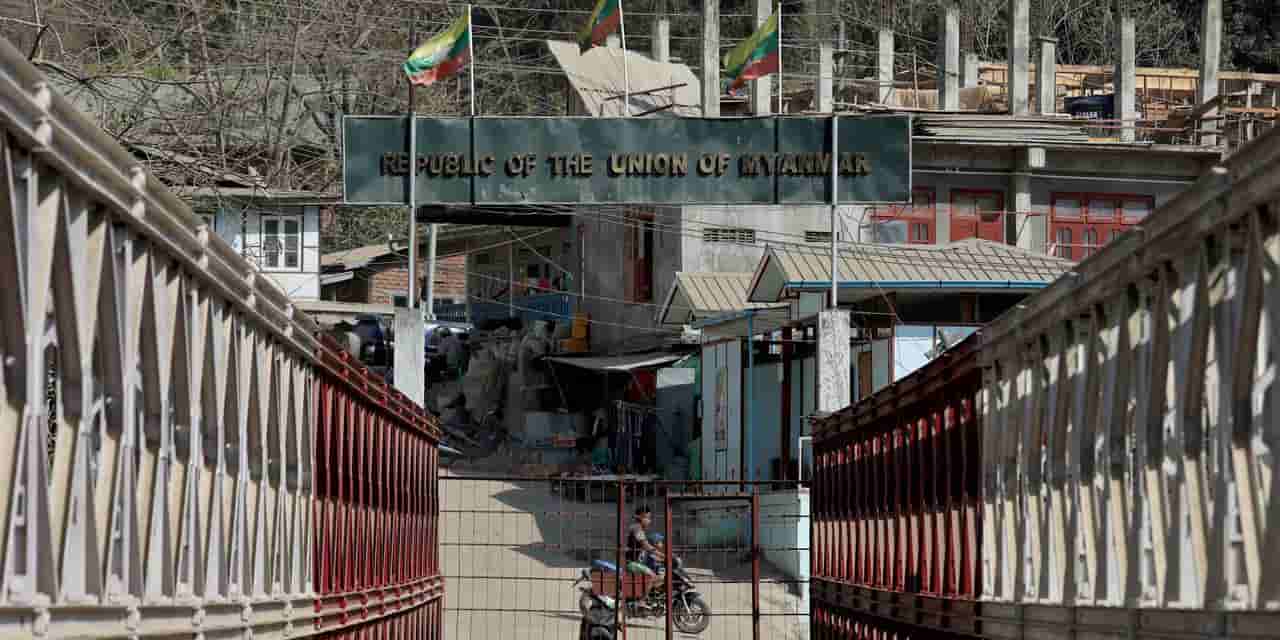
India's northeastern state of Manipur has declared its intention to complete its section of the India-Myanmar border fence within two years, with the overall project targeted for completion by 2028. Approximately 55 kilometers of fencing along the 398-kilometer Manipur-Myanmar border have already been constructed.
Manipur Home Minister Govindas Konthoujam announced the progress in the State Legislative Assembly, also stating that the government had not received any official communication regarding a proposed land swap between border pillars 65 and 68. This proposed adjustment, reportedly involving 1.4 square miles, surfaced following a visit by Myanmar Junta leader Min Aung Hlaing.
However, the plan faces significant opposition. Resistance forces on the Myanmar side, such as the Tamu Township People’s Defense Force (PDF), argue that unilateral fencing is not feasible in undemarcated areas and that territorial disputes persist, citing at least six instances of alleged encroachment from the Indian side. Protests have been organized at active construction sites.
Indigenous communities, including Mizo, Naga, Kuki, and Zo populations, also oppose the barrier, contending that it divides ancestral lands, disrupts agricultural livelihoods, and severs ethnic and cultural ties. India's broader initiative aims to fence its entire 1,643-kilometer border with Myanmar to address issues like drug trafficking, illegal trade, and undocumented migration.