Key facts
- One Nation proposed to cut temporary migration by 750,000 over three years.
- The plan targets international students and families of skilled migrants.
- Student visas would be capped at about 100,000 per year.
- A new visa category for "high-value" students, including those with PhDs in science and technology, would be created.
- Visas for families of students and skilled migrants would be cut to zero.
- The party aims for net-negative migration for the first three years, returning overall migration levels to 2017 figures.
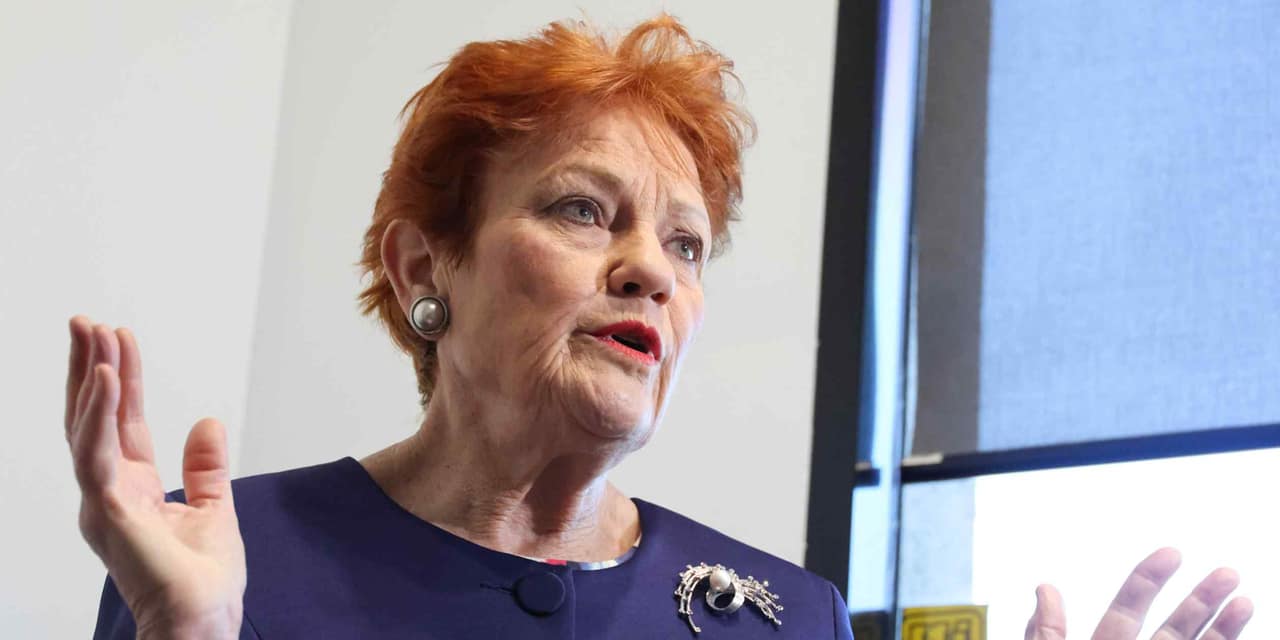
The Australian far-right political party One Nation unveiled a proposal on Monday to significantly reduce the country's temporary migrant population by 750,000 over three years. The plan, led by Senator Pauline Hanson, targets international students and the families of skilled migrants, aiming to ease pressure on housing and public services.
Under the proposal, student visas would be capped at approximately 100,000 per year, a substantial decrease from the current intake. A new visa category would be introduced for "high-value" students, particularly those pursuing PhDs in science, engineering, and frontier technologies. However, visas for families accompanying standard student visa holders would be eliminated, and individuals who overstay their visas would face a lifetime ban from Australia.
One Nation leader Pauline Hanson stated that Australians "had enough of mass migration" and that the plan would provide "breathing room" by returning migration levels to those seen in 2017. The party aims for "net-negative migration" in the first three years, followed by a ceiling of 130,000 for the net overseas migration program, subject to annual review.
However, the proposal has drawn criticism from other political parties and industry groups. Labor frontbencher Murray Watt warned that the policy could "destroy regional economies" and potentially lead to a recession, citing labor shortages in critical sectors. Opposition Leader Angus Taylor expressed concern about the impact on small businesses, calling the plan "half-baked."
Universities Australia chief executive Luke Sheehy cautioned that the cuts to student visas would cause lasting damage to the international education sector, which he described as one of Australia's largest exports. He warned against a "race to the bottom" and highlighted the economic contributions of international students to jobs, the skilled workforce, and university research.