

Key facts
- The U.S. has imposed visa restrictions on some South Africans over alleged anti-white discrimination and uncompensated land seizures.
- South Africa's foreign ministry stated the U.S. announcement mischaracterizes its domestic policies.
- The U.S. ambassador to South Africa called the visa restrictions the first step in escalatory measures.
- The Trump administration has claimed South Africa's government racially discriminates against its white minority Afrikaners.
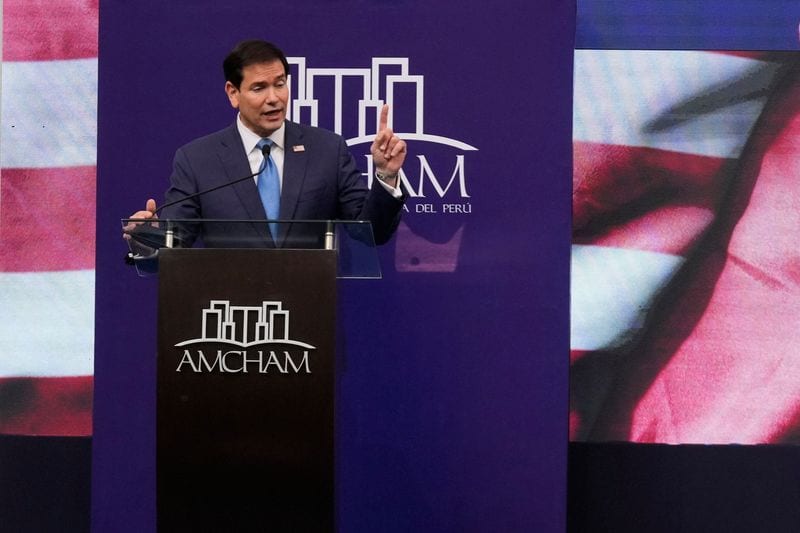
The U.S. has imposed visa restrictions on some South Africans, with the Donald Trump administration continuing to claim that South Africa’s government racially discriminates against its white minority Afrikaners. Secretary of State Marco Rubio stated that South Africa has consistently failed to adequately address rural crime, violent and dehumanizing rhetoric, and race-based discriminatory policies against Afrikaners and other minority populations. He added that the visa restrictions would target “foreign nationals who enact or enable policies that promote race-based discrimination, incite violence, or enable land confiscation without compensation in South Africa.” The U.S. ambassador to South Africa, Leo Brent Bozell III, said the visa restriction policy is only the first step in a series of escalatory measures. South Africa's foreign ministry responded that the U.S. announcement aligned with "the mischaracterization of South Africa's domestic policies by fringe groups." The ministry added that challenges in bilateral relations can only be resolved by constructive engagement through state actors, not unilateral acts. Since the start of last year, the U.S. has cut aid to South Africa, barred it from this year’s G20 summit, and set up a refugee program for Afrikaners and other South African racial minorities. South Africa introduced a law last year that allows the government to seize land without paying for it in specific circumstances, such as if it is abandoned or held for speculation. However, there is no large-scale expropriation of land.