Key facts
- ASML plans to grow its Japanese workforce to about 700 employees by 2030.
- The expansion is intended to support advanced chip production in Japan.
- ASML will double its staff at its support base in Chitose, Hokkaido, by 2027.
- This expansion is to support Rapidus Corporation's 2nm semiconductor production goals.
- Rapidus is in talks with major tech firms, including Apple, for potential 2nm chip mass production.
- IBM and Tokyo Electron have extended their semiconductor R&D partnership for AI chips.
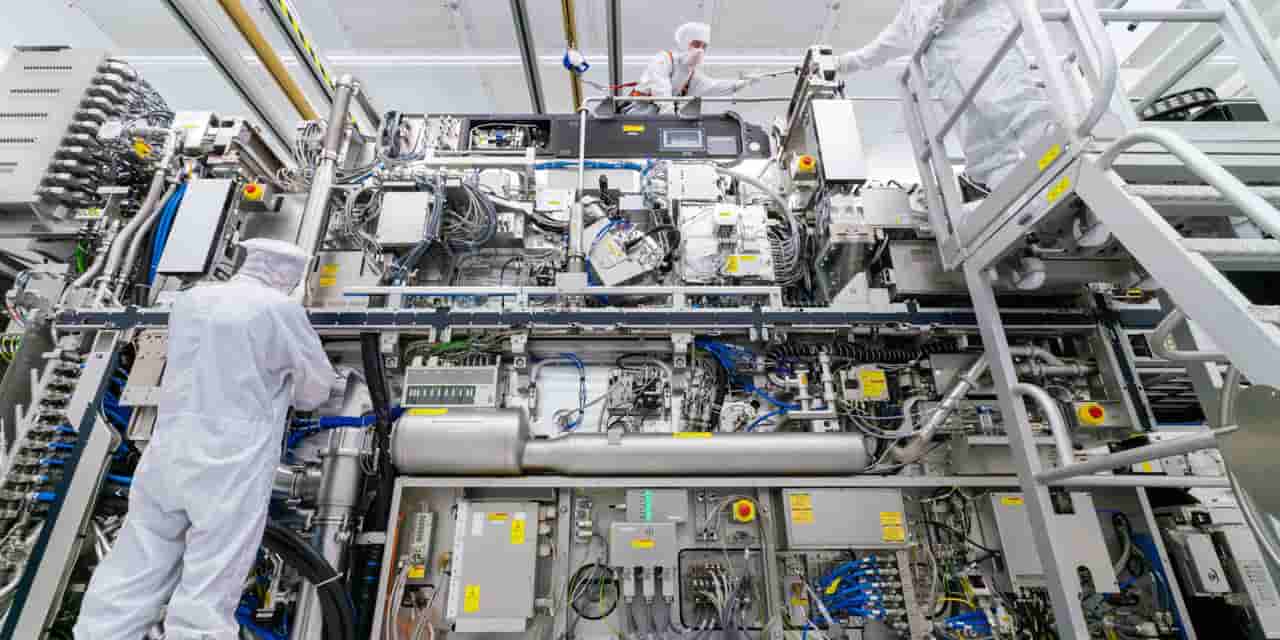
ASML, the Dutch semiconductor equipment manufacturer, plans to significantly expand its workforce in Japan, aiming to reach approximately 700 employees by 2030, up from the current 500. This strategic move is designed to bolster support for Japan's burgeoning advanced chip production capabilities, particularly for next-generation technologies.
The expansion includes doubling the number of resident staff at ASML's support base in Chitose, Hokkaido, by 2027. This increased presence is crucial for supporting Rapidus Corporation, a new Japanese chipmaker that is preparing for pilot production of 2nm semiconductors utilizing ASML's cutting-edge Extreme Ultraviolet (EUV) lithography systems. Rapidus has set a target for pilot production by April 2025 and aims for mass production by 2027.
Rapidus is actively engaging with a significant number of potential clients, reportedly 40 to 50, including major U.S. tech giants such as Apple, Google, Microsoft, Amazon, and Meta. These discussions are centered on securing mass production orders for its advanced 2nm chips, driven by a need for supply chain diversification amidst geopolitical tensions.
In parallel, IBM and Tokyo Electron have extended their long-standing semiconductor research and development partnership for another five years. This collaboration, focused on developing advanced nodes and chip architectures for the AI era, will continue to drive innovation in areas like 3D chip stacking and EUV patterning.
These developments underscore a broader revival in Japan's semiconductor industry, with ASML's enhanced support for Rapidus and the continued R&D efforts by IBM and Tokyo Electron contributing to the nation's ambition to regain global competitiveness in advanced chip manufacturing.