Key facts
- Japanese airports will utilize AI and drones to monitor runways, lights, and other infrastructure.
- The initiative seeks to double maintenance efficiency.
- The goal is to accommodate a projected increase in inbound travel.
- Japan Airlines is trialing humanoid robots for baggage handling at Haneda Airport.
- Sumitomo is leading efforts to enhance maintenance efficiency at Narita and Haneda airports.
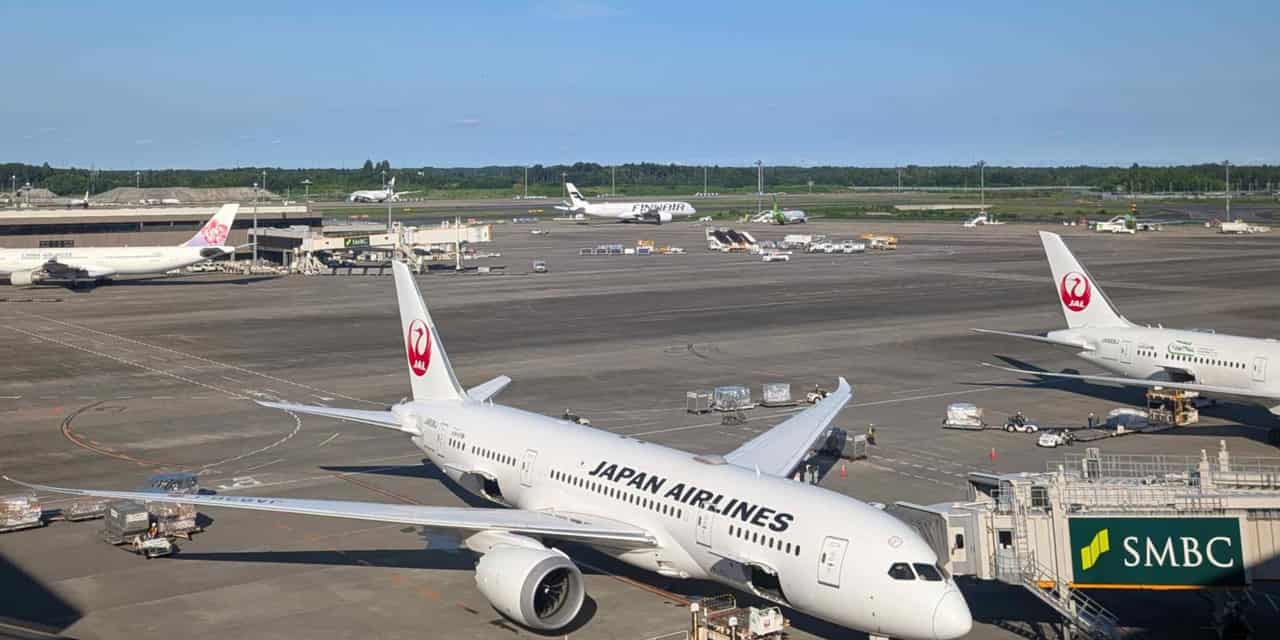
Japanese airports are set to implement artificial intelligence and drone technology to enhance the efficiency of infrastructure maintenance, aiming to double operational effectiveness. This strategic move is designed to accommodate a significant increase in inbound travel, projected to raise annual takeoff and landing slots at Narita and Haneda airports from 830,000 to 1 million, while simultaneously addressing labor shortages.
In parallel, Japan Airlines is piloting humanoid robots at Haneda Airport for tasks such as baggage handling and container loading/unloading. This trial, in partnership with GMO AI & Robotics, seeks to alleviate the physical burden on human workers for strenuous tasks, with humans retaining oversight of safety protocols. The compact humanoid robots, including 130cm models from Unitree, are designed for 2-3 hours of continuous operation and can navigate dynamic airport environments effectively.
Sumitomo Corporation is spearheading a broader initiative to boost maintenance efficiency at Narita and Haneda airports, leveraging AI to identify potential issues with runways, lighting, and other critical infrastructure. The surge in tourism, with over 7 million inbound tourists recorded in early 2026 and Haneda processing over 60 million passengers annually, underscores the urgency of these technological advancements in aviation.