Key facts
- Hallie Shoffner, a Democrat, is running for the U.S. Senate in Arkansas.
- Shoffner, a former farmer, cites the financial struggles of U.S. agriculture as a key campaign issue.
- She believes these economic pressures could shift voter allegiance from Republicans.
- U.S. farm debt is projected to reach $625 billion, with Arkansas leading in farm bankruptcies.
- Incumbent Senator Tom Cotton's campaign criticized Shoffner's candidacy.
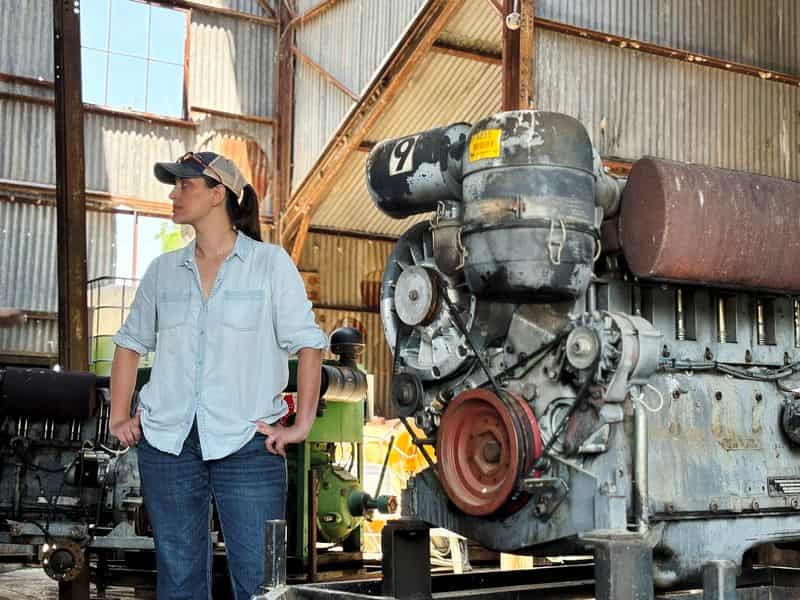
Hallie Shoffner, a former farmer who recently quit her family's agricultural business due to mounting financial pressures, is now the Democratic nominee for the U.S. Senate in Arkansas. She is challenging incumbent Republican Senator Tom Cotton, betting that the widespread economic difficulties plaguing American farms can sway voters in the traditionally Republican state.
Shoffner's campaign centers on the economic realities faced by farmers, including soaring costs for seeds, fertilizer, and machinery, compounded by trade tariffs, inflation, and higher interest rates. She argues that the current business environment is among the worst since the 1980s farm crisis, with U.S. farm debt projected to reach $625 billion this year. Arkansas has seen a significant number of Chapter 12 bankruptcy filings, a type of restructuring for family farmers.
Senator Cotton's campaign has dismissed Shoffner's candidacy, with a spokesman calling her an attempt to pose as a farmer a 'fraud' and criticizing her 'far-left' positions. Despite the challenges, including Cotton's substantial campaign war chest and the state's strong Republican leanings, Shoffner believes the economic discontent could make the race more competitive than anticipated. Political scientists suggest that the turmoil in the agricultural sector, which contributes significantly to the U.S. economy, could indeed lead to more competitive elections.
Shoffner advocates for diversifying Arkansas's economy and building local processing facilities to add value to commodities, arguing that the struggles of individual farms have ripple effects throughout rural communities.