Key facts
- Reform UK is actively engaging with business leaders through events and dinners.
- The party's upcoming conference in Birmingham will feature blue-chip firms and place business interests at its core.
- Reform UK has doubled commercial ticket sales for its conference compared to last year.
- Party figures, including Zia Yusuf, have made threats towards companies like Vodafone and Deliveroo.
- Vodafone and Deliveroo are still scheduled to participate in conference events despite these threats.
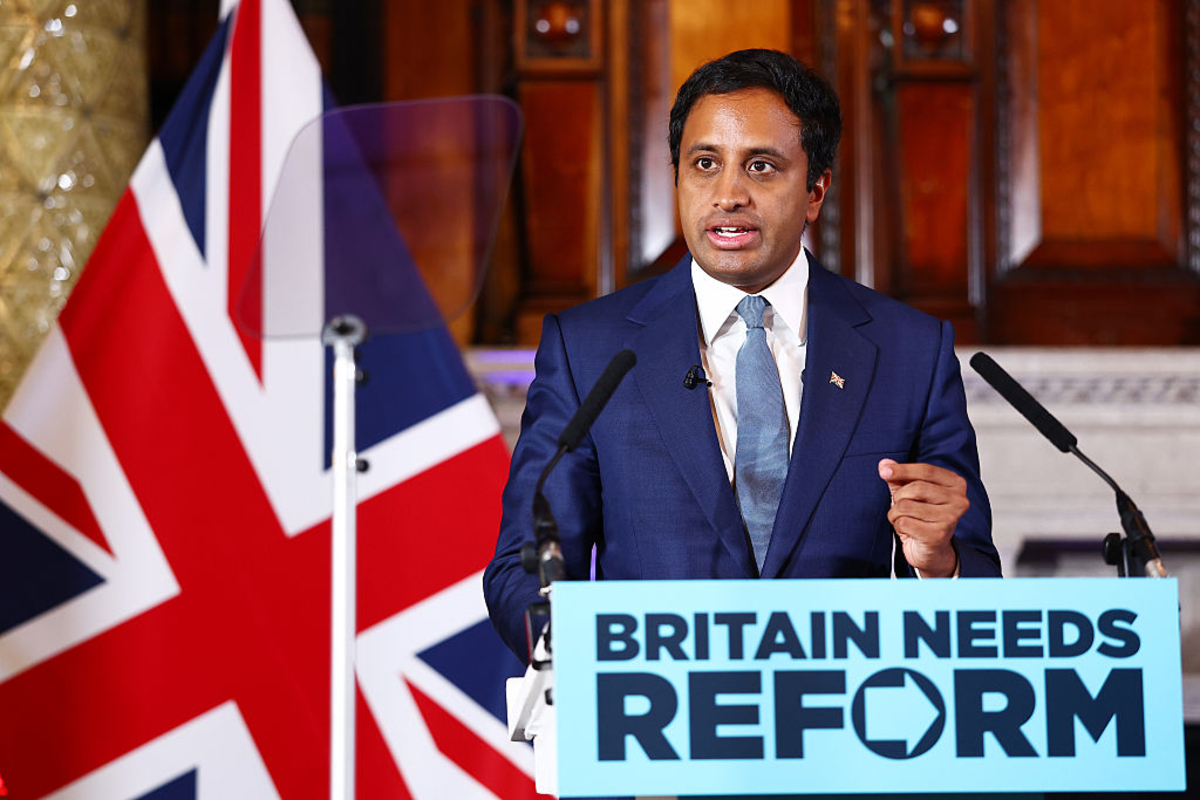
Reform UK is intensifying its efforts to court business leaders ahead of the next election, hosting a series of events and placing business interests at the forefront of its upcoming conference in Birmingham. This strategic shift marks a departure from the party's previous 'start-up culture' approach, with senior figures actively engaging investors and industry titans through breakfasts and dinners.
The party's outreach has been described as 'very good' by attendees, with a significant increase in commercial ticket sales for the conference compared to the previous year. This engagement aims to showcase the party's policy thinking and provide a platform for dialogue, with blue-chip firms like Google, Cadent Gas, and Panmure Liberum expected to participate.
However, this concerted effort to win over the business community is occurring against a backdrop of controversy. Reform UK's home affairs spokesman, Zia Yusuf, has recently made public threats towards companies, including Vodafone and Deliveroo, over their stances on immigration and asylum seekers. Yusuf threatened to imprison Vodafone's CEO and proposed a 'Deliveroo Law' to address illegal migrants working for the platform, despite both companies being scheduled to participate in conference events.
These clashes highlight a tension between Reform UK's desire for business engagement and the party's more radical policy pronouncements. While industry figures express a desire to influence potential policies and ensure 'adults in the room' are heard, there remains a 'high degree of reticence' in dealing with the party due to such incidents.