Key facts
- World Bank President Ajay Banga is driving efforts to triple private capital for development projects.
- British Foreign Secretary Ed Miliband plans to focus on debt restructuring for poor countries during the UK's G20 presidency.
- The IMF failed to launch its expanded Poverty Reduction and Growth Trust.
- The Islamic Development Bank group aims to deploy $10 billion in financing next year.
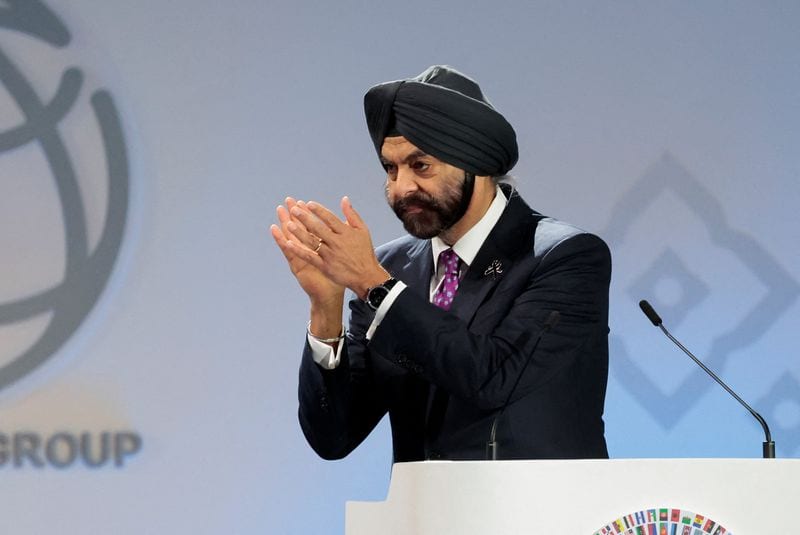
Developing countries and institutions supporting them are re-evaluating development strategies due to high debt levels, increased debt-servicing costs, and a significant decline in official development assistance. World Bank President Ajay Banga highlighted the need for a combination of public finance, private investment, philanthropy, and technology to address these issues, especially with a large youth population entering the job market without sufficient job creation. British Foreign Secretary Ed Miliband indicated that debt restructuring for the poorest nations would be a priority during the UK's upcoming G20 presidency, suggesting that private sector involvement is crucial as wealthy nations cannot match past levels of support. Many developing nations are also pursuing bilateral partnerships outside of traditional multilateral institutions due to dissatisfaction with responses to debt, climate change, and inequality. International aid from OECD DAC countries saw a 23% real-terms drop in 2025, the largest annual decline on record, while developing countries' external debt reached $12.3 trillion in the same year. The Islamic Development Bank group is exploring private sector funding to supplement public resources, aiming to deploy $10 billion in financing next year.