Key facts
- Street protests in India are likely to be higher this year than in the past decade.
- Youth under 30 make up nearly one quarter of India's 1 billion voters.
- 40% of Indian university graduates under 25 are unemployed.
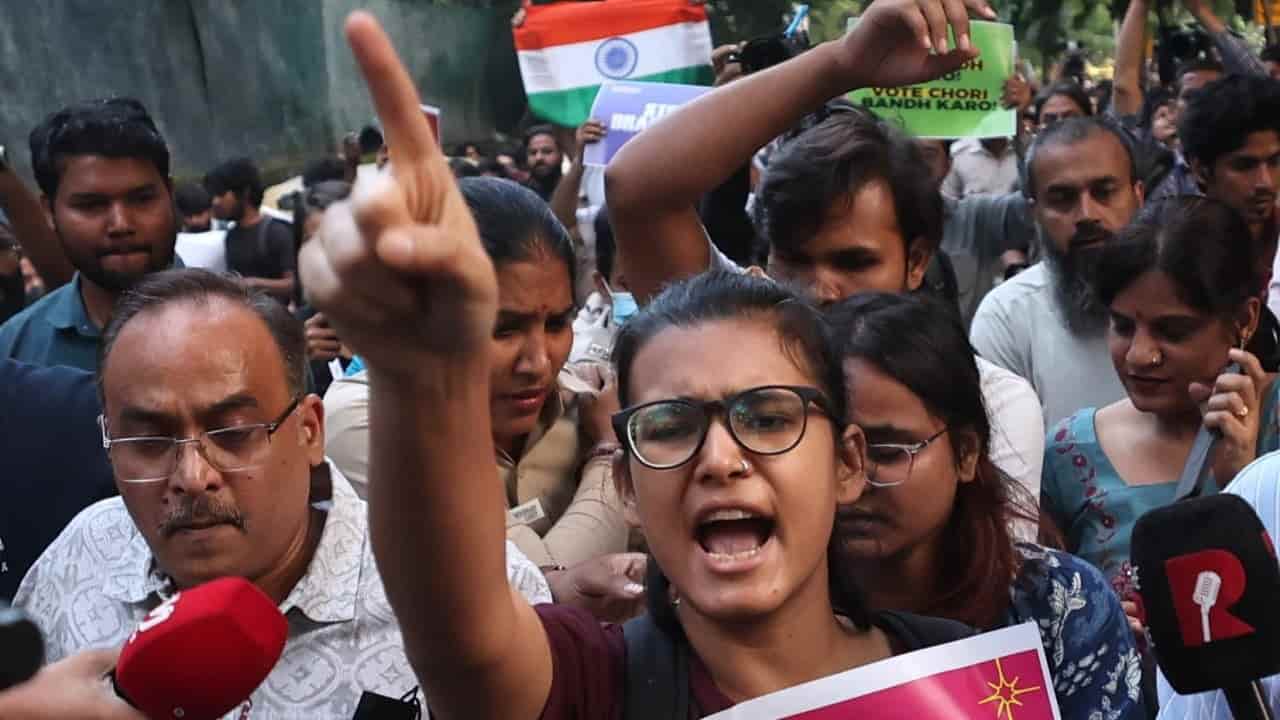
Street protests in India this year are likely to be higher than at any time in the past decade, according to the independent Armed Conflict Location and Event Data Project. Youth protesters have scaled barricades and chanted anti-government slogans, scuffling with police. Analysts say the protests, and growing support for the opposition, form the worst crisis for Prime Minister Narendra Modi since he came to power in 2014. People under 30 make up nearly one quarter of the country’s 1 billion voters. The protests are fueled by anger over a lack of jobs for millions of unemployed youth, leaks of question papers in examinations, high rates of crimes against women, and alleged close links between billionaire businessmen and Modi. The government and the ruling Bharatiya Janata Party (BJP) deny accusations that a recent revision of voter lists favors the BJP. The CJP, a satirical movement founded by Indian student Abhijeet Dipke, gained 20 million followers on Instagram after the chief justice disparaged unemployed youth as "cockroaches." The movement found its voice on the streets, with a hunger strike led by activist Sonam Wangchuk and student leader Neha Bora, which led to the resignation of the education minister.