Key facts
- A federal judge ruled that the Trump administration's use of immigration law to cancel visas and initiate deportations for noncitizen college students based on pro-Palestinian advocacy is unconstitutional.
- U.S. District Judge Noel Wise stated that the government cannot single out speech for disfavored treatment based on its viewpoint or content.
- The ruling found that provisions of the Immigration and Nationality Act used by the administration violated the U.S. Constitution's First and Fifth Amendments.
- The lawsuit was filed by The Stanford Daily, whose lawyers argued that the administration's policies chilled speech.
- The judge warned that such actions could lead to targeting anyone expressing opinions the government dislikes.
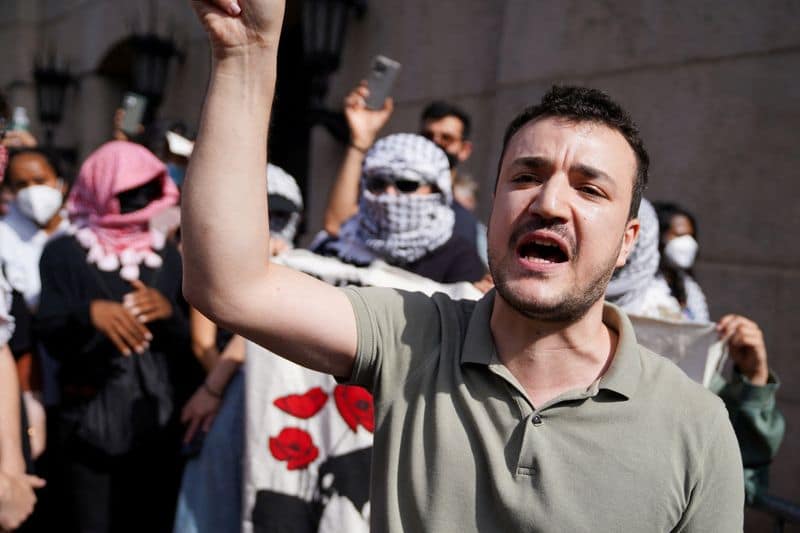
A federal judge has ruled that the Trump administration's practice of canceling visas and initiating deportation proceedings against noncitizen college students for their pro-Palestinian advocacy and criticism of Israel is unconstitutional. U.S. District Judge Noel Wise issued a strong rebuke to the State Department and Department of Homeland Security, stating that the government cannot target speech based on its viewpoint or content.
The ruling, made in San Jose, California, focused on how the Trump administration began revoking visas and detaining non-citizens engaged in pro-Palestinian advocacy on campuses starting in March 2025. This practice formed the basis of a lawsuit filed in August 2025 by The Stanford Daily, which alleged that some of its student visa-holding writers had self-censored their coverage of pro-Palestinian protests and related topics due to the administration's policies.
The newspaper's lawyers argued that two provisions of the Immigration and Nationality Act used by the administration violated the First and Fifth Amendments of the U.S. Constitution. These laws allowed the Secretary of State to deem noncitizens deportable if their actions compromised a compelling foreign policy interest and to revoke visas at his discretion.
Judge Wise agreed with the newspaper, emphasizing that free speech, including criticism of the government, is a cornerstone of American democracy. She expressed concern that the administration's actions could expand to target anyone expressing opinions the government dislikes, stating that such a trajectory is antithetical to the Constitution.
This decision echoes a similar ruling last year by U.S. District Judge William Young in Boston, who also found the administration's policy of revoking visas for foreign students and faculty engaged in pro-Palestinian advocacy to be unconstitutional.