Key facts
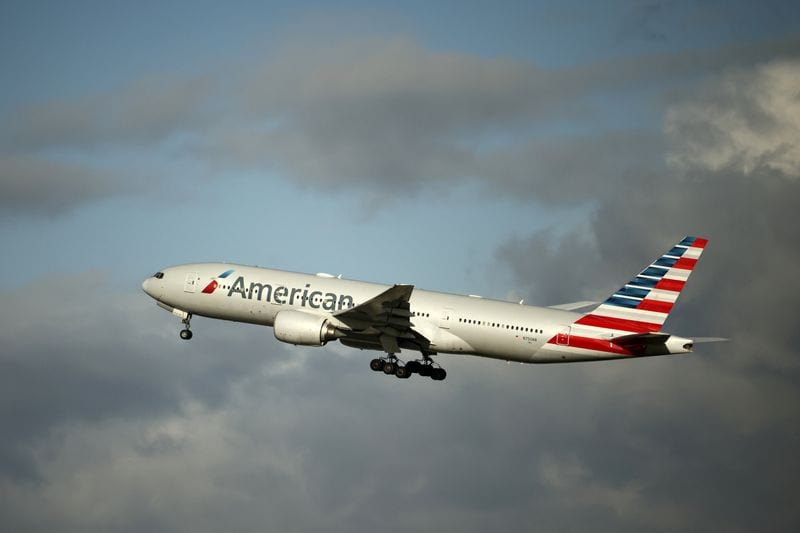
- American Airlines is retrofitting its Boeing 777-300ER fleet to include more premium seats.
- The airline is eliminating its Flagship First international first-class cabin on these aircraft.
- The number of premium seats on the 777-300ER will increase to 144 from 116.
- The first retrofitted plane will fly from New York to Buenos Aires.
- The upgrades are part of a broader industry trend among U.S. carriers to cater to higher-spending travelers.
American Airlines is increasing the number of premium seats on its Boeing 777-300ER aircraft, a move aimed at capitalizing on the growing demand for upscale travel. The airline will phase out its first-class cabin on these long-haul planes, reconfiguring them to offer more business-class seats, along with enhanced Premium Economy and Main Cabin Extra options. The first retrofitted aircraft is scheduled to enter commercial service on Wednesday, flying from New York to Buenos Aires. American plans to complete the upgrades on all 20 of its 777-300ERs by 2027. The new configuration will feature 144 premium seats, an increase from the current 116, boosting the proportion of premium seating to approximately 44% of the total capacity. This strategic shift involves eliminating the Flagship First cabin, which American noted was not being purchased by customers, allowing for the addition of more sought-after business-class seats. The airline will stop selling Flagship First for travel commencing November 19. American is the last of the major U.S. carriers to maintain a distinct international first-class offering, with Delta and United having integrated or eliminated theirs in previous years. The initiative underscores American's focus on premium travel to close a profitability gap with competitors like Delta and United. In the second quarter, premium travelers accounted for nearly half of American's ticketed revenue, despite making up only about 30% of its seats. The airline also plans to increase premium seating on its narrowbody flights to around 40% in the coming years. This strategy aligns with a broader trend among U.S. airlines, where revenue from premium products is growing faster than from more budget-conscious offerings. This reflects a widening market divide, with affluent customers continuing to spend while price-sensitive travelers are scaling back. Even airlines traditionally known for lower fares, such as Southwest, are exploring premium options like airport lounges and more upscale seating.