
Key facts
- AI sleep apps are best for building habits and catching small problems early.
- Digital CBT-I apps can help many people with insomnia.
- Severe insomnia and potential sleep apnea require professional evaluation.
- Apps can track trends but cannot diagnose conditions like sleep apnea.
- Meditation and journaling can help manage racing thoughts.
- If feeling tired most days or snoring loudly, a doctor visit is recommended.
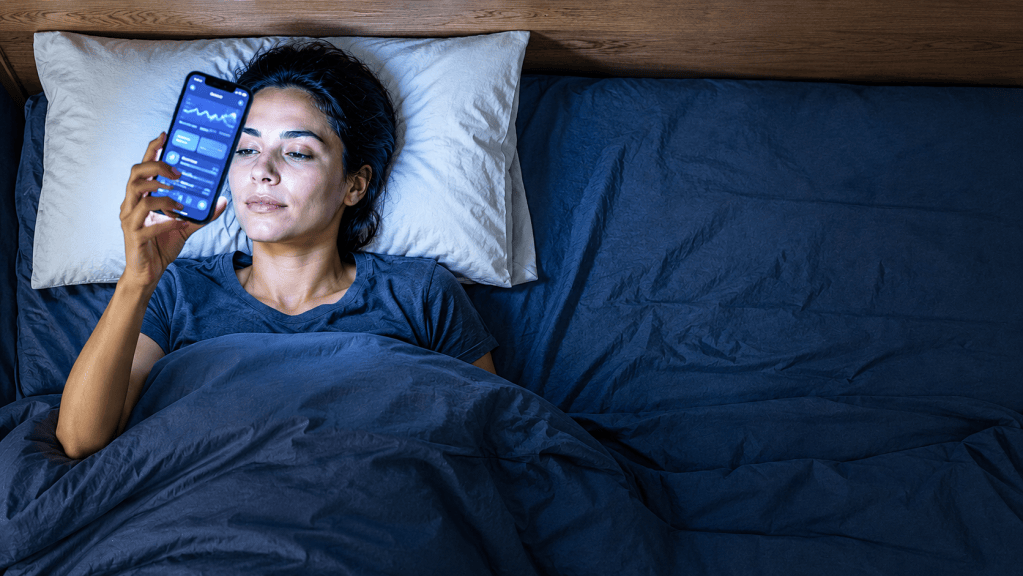
AI-powered sleep applications have become a common tool for millions, offering benefits in habit formation and early detection of sleep issues. However, experts caution that these apps are not a replacement for professional medical advice, particularly for serious sleep disorders.
According to sliiip.com, AI sleep apps are most effective for healthy adults in establishing better habits and identifying minor problems early on. While digital Cognitive Behavioral Therapy for Insomnia (CBT-I) apps can assist many individuals, severe insomnia still necessitates a formal evaluation by a healthcare professional. Similarly, apps may flag potential signs of sleep apnea, such as snoring or oxygen dips, but they cannot provide a diagnosis, which requires a home sleep test.