Key facts
- The Japanese yen has fallen to a 40-year low against the U.S. dollar.
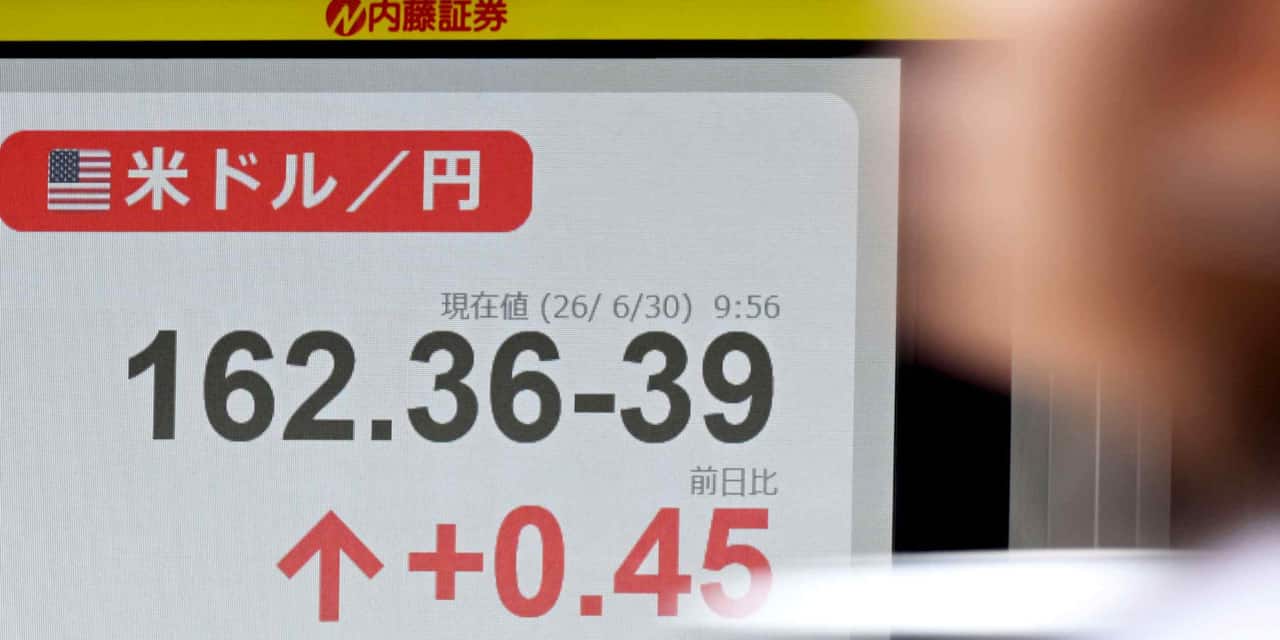
- The yen traded near 162 yen per dollar.
- One specific reading showed the yen at 162.41 per dollar.
- This level is the lowest since 1986.
- The decline is attributed to the interest rate gap between Japan and the U.S.
- Japanese authorities have signaled readiness for intervention.
- Concerns about potential intervention by Tokyo authorities have risen.
- The dollar index pulled back from 13-month highs.
- Traders await key U.S. jobs data.
- U.S. jobs data could influence Federal Reserve policy.
The Japanese yen has reached its lowest point against the U.S. dollar in 40 years, with trading levels approaching 162 yen per dollar. This sustained depreciation is largely attributed to the significant interest rate gap between Japan and the United States, where U.S. rates remain considerably higher. The yen's sharp decline has intensified fears of potential intervention by Japanese authorities, who have previously signaled their readiness to take action to support the currency.
Recent trading saw the yen hit 162.41 per dollar, a level not seen since 1986. While the yen weakened, the broader dollar index experienced a slight pullback from its 13-month high. Market participants are closely monitoring upcoming U.S. jobs data, as these figures are expected to provide crucial insights into the Federal Reserve's future monetary policy decisions. These decisions, in turn, could influence the trajectory of the dollar and, consequently, the yen.
The widening interest rate differential is a primary driver of the yen's weakness. The Bank of Japan has maintained an ultra-loose monetary policy, contrasting with the Federal Reserve's more hawkish stance aimed at combating inflation. This divergence in policy creates an environment where investors are incentivized to move capital out of yen-denominated assets and into higher-yielding dollar assets, thereby increasing demand for the dollar and pushing the yen lower.
Traders and analysts are on alert for any signs of direct intervention from Japanese authorities. Such interventions, typically involving the purchase of yen in the foreign exchange market, are aimed at stabilizing the currency. The market's anticipation of these potential actions adds another layer of volatility to the yen's movements.