Key facts
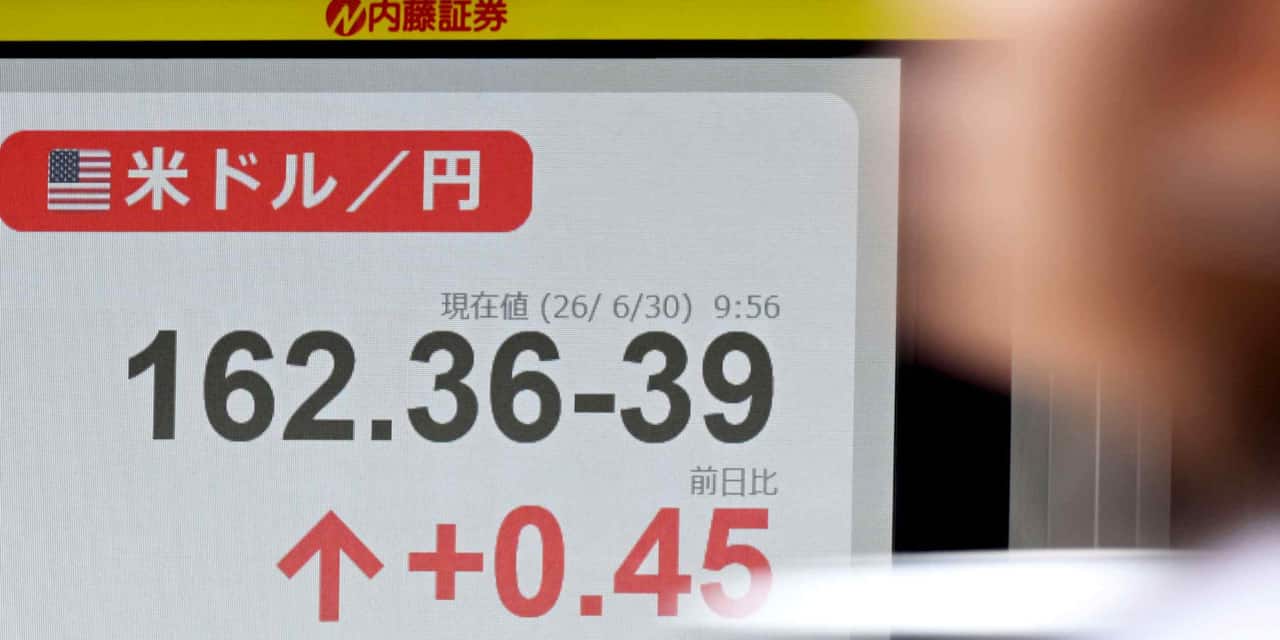
- The Japanese yen has fallen to a 39-year low against the U.S. dollar.
- The yen is trading near 162 yen per dollar.
- The yen reached 162.27 per dollar.
- This is the lowest level for the yen against the dollar since 1986.
- The decline is driven by the interest rate gap between Japan and the U.S.
- Japanese authorities have signaled readiness for intervention.
- Focus shifts to upcoming U.S. jobs data.
- U.S. jobs data could influence the Federal Reserve's rate outlook.
The Japanese yen has reached a 39-year low against the U.S. dollar, with trading levels nearing 162 yen per dollar. This marks the lowest point for the yen against the dollar since 1986. The primary driver behind this sustained depreciation is the significant interest rate differential between Japan and the United States. Japanese monetary policy remains accommodative, while the U.S. Federal Reserve has maintained higher interest rates.
Amidst this weakening trend, Japanese authorities have signaled their readiness to implement market interventions to bolster the yen. These signals have intensified speculation about potential actions from Tokyo to stabilize the currency. The market's attention is now turning towards the release of upcoming U.S. jobs data. This economic indicator is closely watched as it could influence the Federal Reserve's outlook on interest rates, potentially impacting the dollar's strength and, consequently, the yen's trajectory.
The current situation highlights the ongoing pressure on the yen due to global monetary policy divergence. The interest rate gap creates an incentive for investors to move capital away from yen-denominated assets towards higher-yielding dollar-denominated assets. This dynamic has contributed to the yen's prolonged weakening trend.