Key facts
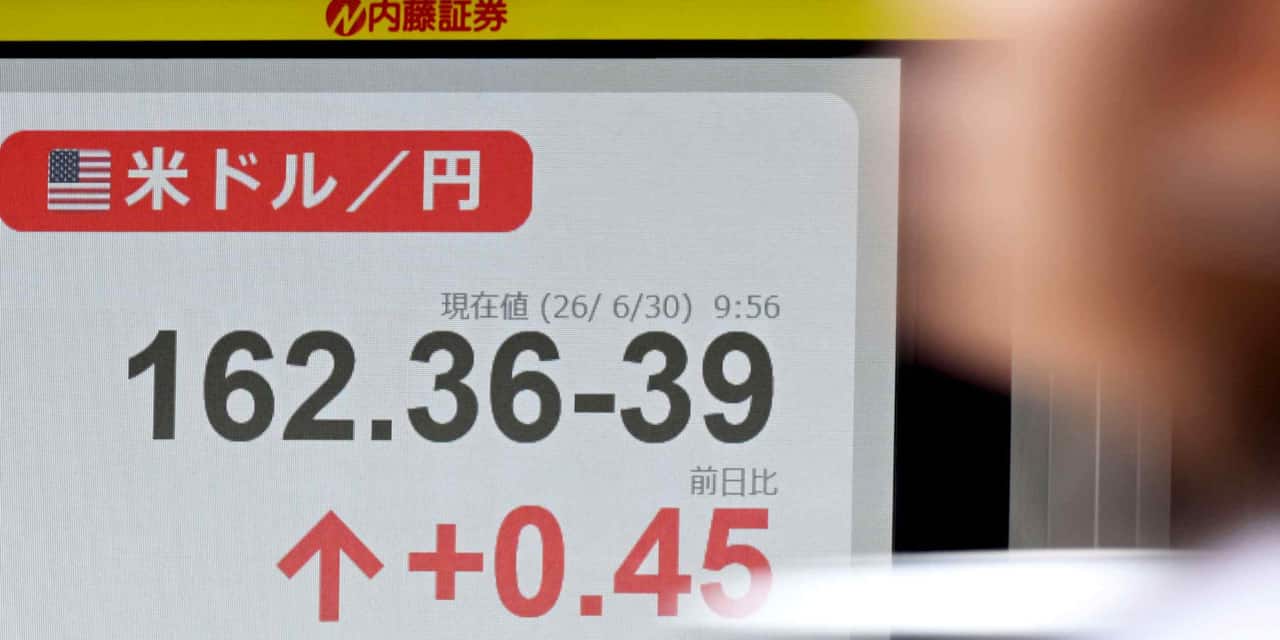
- The Japanese yen reached a 39-year low, trading near 162 yen per U.S. dollar.
- The dollar briefly touched 161.98 yen, a level not seen since December 1986.
- The yen's weakness is driven by the significant interest rate gap between Japan and the United States.
- Japanese authorities have indicated they are prepared to intervene in the currency market.
- Finance Minister Satsuki Katayama and U.S. Treasury Secretary Scott Bessent discussed potential intervention measures.
The Japanese yen has fallen to a 39-year low against the U.S. dollar, with the exchange rate briefly touching 161.98 yen in New York trading, a level not seen since December 1986. This significant weakening is primarily driven by the widening interest rate differential between Japan and the United States, as markets anticipate further rate hikes from the Federal Reserve while the Bank of Japan has only recently begun to normalize its policy.
Japanese authorities have signaled their readiness to intervene in the currency market to curb the yen's decline, a move they last undertook from late April into May, spending a record 11.7 trillion yen. Finance Minister Satsuki Katayama and U.S. Treasury Secretary Scott Bessent have discussed policy responses, including potential decisive action if necessary.
The weak yen inflates the cost of imports for Japan, impacting everything from energy to food and straining households. Despite the Bank of Japan raising its interest rate to 1.00 percent, the yen has struggled to gain support as investors favor higher-yielding U.S. assets. The situation is further complicated by Prime Minister Sanae Takaichi's push for increased fiscal spending and potential tax cuts, which could strain Japan's fiscal health, already the weakest among advanced economies.